Boost Your Credit Score by 50 Points in 6 Months: 2026 Solutions
Anúncios
Boosting your credit score by 50 points in six months is achievable through strategic financial actions like timely payments, debt reduction, and smart credit utilization, directly impacting your borrowing power and financial stability in 2026.
Anúncios
In the dynamic financial landscape of 2026, making smart credit score decisions is more crucial than ever. A robust credit score isn’t just a number; it’s a gateway to better interest rates, favorable loan terms, and significant financial freedom. This article will guide you through practical solutions to elevate your credit score by 50 points within six months, exploring the tangible financial impact these improvements can have on your life.
Anúncios
Understanding your credit score in 2026
Before embarking on any improvement journey, it’s essential to grasp what a credit score truly represents and how it’s calculated in the current financial climate. Your credit score is a numerical expression of your creditworthiness, a three-digit number that lenders use to assess the risk of lending you money. In 2026, while the core principles remain, data analytics and predictive modeling have become even more sophisticated, making an accurate understanding vital.
Several factors contribute to your score, each carrying a different weight. Payment history, the length of your credit history, types of credit used, new credit, and amounts owed are the primary components. Understanding these elements allows for targeted strategies to maximize your score. The algorithms used by credit bureaus like Experian, Equifax, and TransUnion are constantly refined, emphasizing consistent, responsible financial behavior.
Key components of credit scoring models
- Payment History (35%): This is arguably the most critical factor. Late payments, bankruptcies, and collections can severely damage your score.
- Amounts Owed (30%): Your credit utilization ratio – the amount of credit you’re using compared to your total available credit – plays a significant role. Keeping this below 30% is generally advised.
- Length of Credit History (15%): The longer your accounts have been open and in good standing, the better. This demonstrates a consistent ability to manage credit over time.
- New Credit (10%): Applying for too much new credit in a short period can be seen as risky behavior and may temporarily lower your score.
- Credit Mix (10%): A healthy mix of different types of credit, such as installment loans and revolving credit, can positively impact your score.
Knowing these components allows you to prioritize your efforts. For instance, addressing any missed payments immediately and reducing your credit card balances will likely yield the most significant immediate impact on your score. Regularly checking your credit report for errors is also a foundational step, as inaccuracies can unfairly depress your score.
Practical solutions for a 50-point boost in six months
Achieving a 50-point increase in your credit score within half a year is an ambitious yet entirely attainable goal. It requires discipline, consistency, and a targeted approach to your financial habits. The strategies outlined here are designed to be actionable and deliver measurable results within the specified timeframe.
One of the most effective immediate actions is to reduce your credit utilization. This means paying down revolving debt, especially on credit cards, to bring your balances significantly lower than your credit limits. Aim for a utilization ratio below 30%, and ideally even lower, closer to 10% for optimal results.
Strategic debt reduction and payment consistency
Focus on high-interest debt first. The snowball or avalanche method can be highly effective. The snowball method involves paying off the smallest debts first to gain momentum, while the avalanche method prioritizes debts with the highest interest rates to save money in the long run. Both strategies contribute to lowering your overall debt, which in turn improves your credit utilization ratio.
- Automate payments: Set up automatic payments for all your bills to ensure you never miss a due date. Payment history is the largest factor, so consistency is key.
- Pay more than the minimum: Whenever possible, pay more than the minimum due on credit cards. This reduces your principal faster and lowers your utilization.
- Avoid new debt: During these six months, resist the temptation to open new credit accounts or take on additional loans. Focus solely on improving your existing credit profile.
Beyond debt reduction, consistently making all your payments on time is paramount. Even a single late payment can set back your progress. If you have any past due accounts, bring them current as quickly as possible. Consider negotiating with creditors for payment plans if you are struggling.
Optimizing credit utilization and management
Credit utilization is a powerful lever for credit score improvement. It’s not just about how much debt you have, but how much of your available credit you are using. Lenders view a high utilization ratio as a sign of financial distress, even if you pay your bills on time. Keeping this ratio low demonstrates responsible credit management.
To optimize your credit utilization, consider requesting a credit limit increase on existing cards if you have a good payment history and a stable income. This increases your total available credit without adding to your debt, thereby lowering your utilization ratio. However, only do this if you trust yourself not to spend the additional credit. The goal is to lower the ratio, not increase spending.
Strategies for better credit management
- Spread balances: If you have multiple credit cards, try to distribute your balances across them to keep individual card utilization low. However, paying off cards entirely is always the best option.
- Pay multiple times a month: Instead of waiting for your statement date, make smaller payments throughout the month. This can help keep your reported balance lower to the credit bureaus.
- Become an authorized user: If a trusted family member has a credit card with a long history and low utilization, they might add you as an authorized user. Their good habits can reflect positively on your report, but be cautious as their negative actions can also impact you.
Regularly monitoring your credit reports from all three major bureaus is crucial. This helps you catch any discrepancies or fraudulent activity that could negatively affect your score. Free reports are available annually, and many credit card companies now offer free credit score tracking services as well.
The impact of credit history length and new credit
The length of your credit history demonstrates your long-term financial behavior, making it a significant factor in your credit score. Older accounts, especially those in good standing, signal stability and predictability to lenders. Conversely, closing old accounts can sometimes shorten your average credit history, potentially lowering your score.
When aiming for a 50-point boost, it’s generally advisable to avoid opening new credit accounts. Each new credit application typically results in a hard inquiry on your credit report, which can cause a temporary dip in your score. Multiple hard inquiries in a short period can signal to lenders that you might be in financial distress or are taking on too much risk.
Navigating old accounts and new applications
Instead of opening new credit, focus on nurturing your existing accounts. If you have old credit cards you no longer use, consider keeping them open, especially if they have no annual fees and a long history. These accounts contribute positively to your average age of credit and total available credit.
- Keep old accounts open: Let your established accounts continue to age gracefully. This builds a longer, more stable credit history.
- Limit new applications: Unless absolutely necessary, refrain from applying for new credit cards or loans during your six-month improvement period.
- Consider secured cards strategically: If your credit is very thin or recovering from past issues, a secured credit card can be a bridge to better credit, but only use it if you can manage it responsibly.
A balanced approach to credit history means valuing longevity while being strategic about new credit. The temporary dip from a hard inquiry, while usually minor, can be counterproductive when you are actively trying to achieve a specific score increase within a tight timeline. Prioritize stability and consistent positive activity on your current accounts.
Monitoring your credit and addressing errors
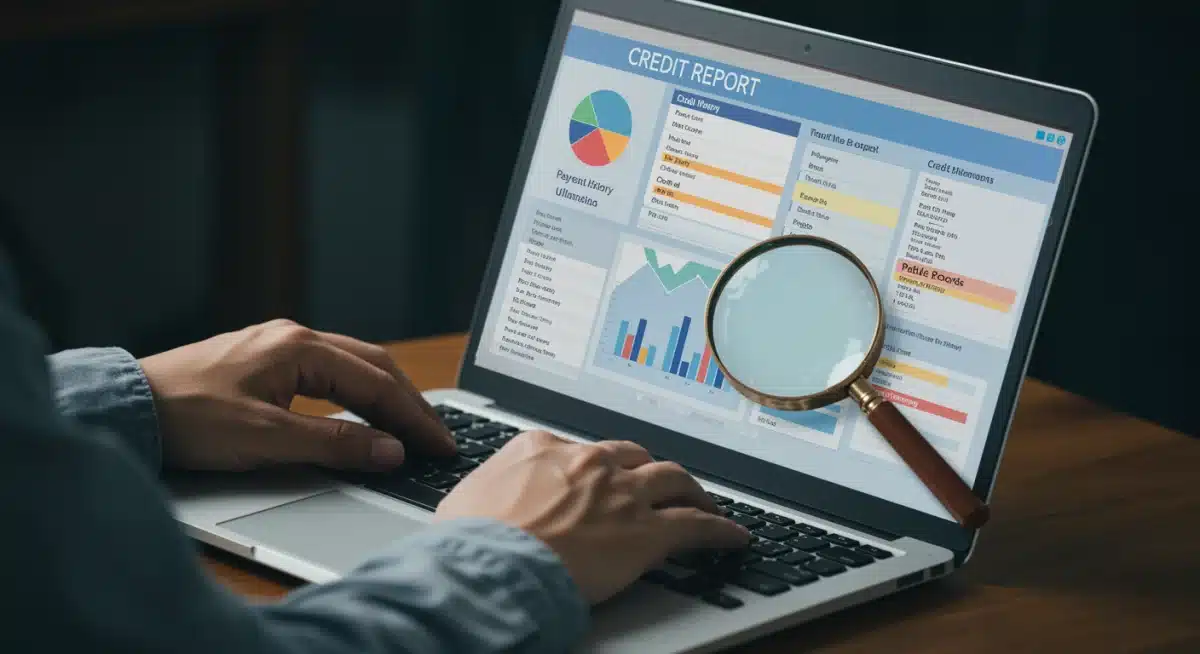
Vigilant credit monitoring is not just a recommendation; it’s a fundamental pillar of any successful credit improvement strategy. Errors on your credit report are surprisingly common and can unfairly drag down your score. These inaccuracies can range from incorrect payment statuses to accounts that don’t belong to you, all of which demand immediate attention.
Under the Fair Credit Reporting Act (FCRA), you have the right to dispute any information on your credit report that you believe is inaccurate or incomplete. The credit bureaus are legally obligated to investigate these disputes and remove incorrect information. This process can take time, making early detection and action critical for your six-month goal.
Steps for effective credit report monitoring
- Obtain free reports: Utilize AnnualCreditReport.com to get your free credit reports from Experian, Equifax, and TransUnion once every 12 months. Stagger these requests to review a report every four months.
- Review thoroughly: Scrutinize every detail: personal information, accounts (open and closed), payment history, public records, and inquiries. Look for anything that doesn’t look right.
- Dispute inaccuracies: If you find an error, gather supporting documentation and formally dispute it with the credit bureau and the creditor.
Beyond formal disputes, consider using credit monitoring services offered by many banks or third-party providers. These services often alert you to significant changes in your credit report, such as new accounts opened in your name or large balance changes, helping you stay proactive and catch issues before they escalate. Consistent monitoring ensures your efforts to boost your score aren’t undermined by external factors.
The financial impact of a higher credit score
A higher credit score transcends mere numbers; it translates directly into tangible financial benefits that can significantly improve your quality of life. Boosting your score by 50 points in six months can unlock opportunities that were previously out of reach, making it a worthwhile endeavor for any financially savvy individual in 2026.
One of the most immediate and impactful benefits is access to better interest rates on loans and credit cards. Even a slight reduction in interest can save you thousands of dollars over the life of a mortgage or car loan. For instance, moving from a sub-prime rate to a good credit rate can mean a difference of hundreds of dollars in monthly payments, freeing up cash for savings or other investments.
Real-world benefits and opportunities
- Lower interest rates: Reduced costs on mortgages, auto loans, and personal loans, leading to substantial long-term savings.
- Easier loan approvals: Lenders are more likely to approve your applications for credit when you have a strong score, offering more flexibility in financial planning.
- Better credit card offers: Access to premium credit cards with attractive rewards programs, cash back, and additional perks.
- Reduced insurance premiums: In many states, insurance companies use credit-based insurance scores, meaning a higher credit score can lead to lower premiums for auto and home insurance.
- Favorable rental terms: Landlords often check credit scores, and a good score can help you secure desirable rental properties and potentially avoid larger security deposits.
The financial ripple effect of a stronger credit score extends beyond borrowing. It influences everything from utility deposits to job applications in certain industries. It provides peace of mind and a stronger foundation for achieving long-term financial goals, such as buying a home, starting a business, or funding education. Investing time and effort into improving your credit score is truly an investment in your future financial well-being.
Maintaining your improved credit score long-term
Achieving a 50-point boost in six months is a significant accomplishment, but the journey doesn’t end there. Maintaining and further improving your credit score requires ongoing commitment and adherence to the positive financial habits you’ve established. A credit score is dynamic; it reflects your current and past financial behavior, meaning continuous vigilance is necessary to sustain its health.
The strategies that helped you improve your score are largely the same ones that will help you maintain it. Consistently making on-time payments, keeping credit utilization low, and periodically reviewing your credit report are not one-time fixes but lifelong financial practices. Think of it as a financial fitness regimen: consistency yields lasting results.
Strategies for sustained credit health
- Continue timely payments: Never underestimate the power of paying all your bills on time, every time. This remains the single most important factor.
- Monitor credit utilization: Make it a habit to keep your credit card balances well below 30% of your limits. Regular checks can prevent balances from creeping up.
- Diversify credit responsibly: As your score strengthens, consider adding a new type of credit, like an installment loan, if it aligns with your financial needs and you can manage it without stress.
- Regular credit report reviews: Continue to check your credit reports annually for accuracy and to detect any fraudulent activity.
Beyond these core practices, educating yourself about financial trends and best practices in 2026 will empower you to make even smarter decisions. The financial world is constantly evolving, and staying informed will help you adapt and protect your credit health. Maintaining a strong credit score is a marathon, not a sprint, and your consistent efforts will pay dividends for years to come.
| Key Action | Brief Description |
|---|---|
| Reduce Credit Utilization | Pay down revolving debt to keep balances below 30% of your credit limits. |
| Ensure On-Time Payments | Automate all bill payments to establish a flawless payment history. |
| Monitor Credit Reports | Regularly check for errors and dispute any inaccuracies with credit bureaus. |
| Limit New Credit | Avoid opening new credit accounts to prevent hard inquiries and maintain credit age. |
Frequently asked questions about credit scores
You can typically see improvements within one to two billing cycles, or 30-60 days, after paying down significant debt. Credit bureaus update reports regularly, and reduced credit utilization is often reflected quickly, positively impacting your score.
It is generally better to keep old credit cards open, especially if they have a good payment history and no annual fees. Closing them can reduce your total available credit, increasing your utilization ratio, and shorten your average length of credit history.
Hard inquiries, which occur when you apply for new credit, can cause a small, temporary drop of a few points in your credit score. These usually remain on your report for two years but only impact your score for about one year. Too many in a short period can be more detrimental.
A good credit utilization ratio is generally considered to be below 30%. For optimal credit score health and to maximize your score, many experts recommend aiming for a ratio of 10% or even lower across all your revolving credit accounts.
Yes, paying off collections can improve your credit score, especially if they are more recent. While the collection account may remain on your report, a ‘paid’ status is viewed more favorably by lenders than an unpaid one, indicating responsible action.
Conclusion
Achieving a 50-point boost in your credit score within six months is a powerful demonstration of financial discipline and strategic planning. By meticulously focusing on timely payments, optimizing credit utilization, understanding the impact of credit history, and diligently monitoring your reports, you can significantly enhance your financial standing. This improvement not only opens doors to better lending opportunities and substantial savings but also builds a stronger foundation for your overall financial well-being in 2026 and beyond. Your commitment to these smart credit score decisions is an investment in a more secure and prosperous future.