Accessing Federal Housing Public Services in 2026: A Practical Guide
Anúncios
Accessing federal housing public services in 2026 involves understanding updated eligibility requirements, navigating streamlined application processes, and leveraging digital resources to secure essential housing support and achieve stability.
Navigating the landscape of housing assistance can often feel overwhelming, but understanding how to gain access to federal housing public services in 2026 is a crucial step towards securing stable living. This guide aims to demystify the process, offering clear, actionable insights for individuals and families across the United States seeking support.
Anúncios
Understanding the evolving landscape of federal housing programs
The federal housing landscape is dynamic, with programs constantly evolving to meet the needs of a diverse population. In 2026, several key initiatives continue to form the backbone of federal housing assistance, aiming to provide safe, decent, and affordable housing options for low-income families, the elderly, and individuals with disabilities. These programs are not merely about providing shelter; they are foundational to community stability and individual well-being.
Anúncios
The Department of Housing and Urban Development (HUD) remains the primary federal agency overseeing these services. Their efforts encompass a broad spectrum, from rental assistance to homeownership opportunities, all designed to combat homelessness and promote thriving communities. Understanding the specific programs available is the first step in effectively accessing these vital resources.
Key federal housing initiatives in 2026
Several programs stand out for their impact and reach. Familiarity with these programs is essential for anyone seeking assistance.
- Section 8 Housing Choice Voucher Program: This program helps very low-income families, the elderly, and the disabled afford decent, safe, and sanitary housing in the private market.
- Public Housing Program: Owned and operated by local housing authorities, public housing provides affordable rental units for eligible low-income families, the elderly, and persons with disabilities.
- HUD’s HOME Investment Partnerships Program: This program provides grants to states and local governments to create affordable housing for low-income households.
- Emergency Solutions Grants (ESG) Program: ESG provides funding to address the needs of homeless individuals and families, including street outreach, emergency shelter, and rapid re-housing assistance.
These initiatives, while distinct in their approach, share the common goal of ensuring stable housing. The continued emphasis in 2026 is on integrating these services more seamlessly and making information more accessible to those who need it most.
In conclusion, the federal housing landscape in 2026 is robust, offering multiple avenues for assistance. Prospective applicants must familiarize themselves with the core programs to identify the best fit for their specific circumstances. Staying informed about these initiatives is crucial for successful navigation.
Eligibility criteria and application processes in 2026
Determining eligibility for federal housing assistance is a critical initial step. While specific criteria can vary slightly between programs and local housing authorities, general guidelines apply across the board. Understanding these requirements and the updated application processes for 2026 will significantly streamline your journey.
Eligibility is primarily based on income, family size, and specific needs, such as age or disability status. Income limits are set by HUD and are typically a percentage of the median income for a particular area. These limits are updated annually, so it’s essential to check the most current figures.
Common eligibility requirements
Most federal housing programs share common threads regarding who qualifies for assistance. These are designed to ensure resources are directed to those most in need.
- Income Limits: Applicants’ household income must fall within specified low-income thresholds, usually 30-80% of the area median income (AMI).
- Family Status: Programs serve individuals and families, often prioritizing specific groups like the elderly, disabled, or those experiencing homelessness.
- Citizenship/Immigration Status: Eligibility typically requires U.S. citizenship or eligible immigration status for at least one household member.
- Criminal Background Checks: Applicants generally undergo background checks, with certain offenses potentially affecting eligibility.
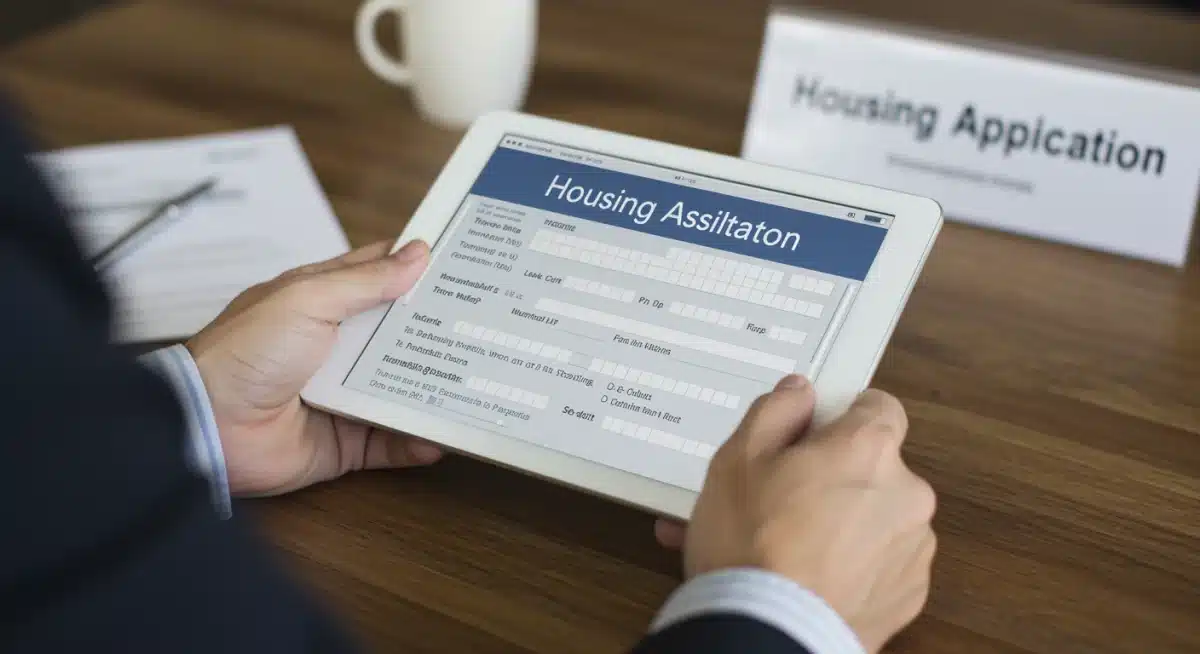
The application process itself has seen some modernization in 2026, with an increased emphasis on digital submissions and streamlined documentation. While in-person visits to local housing authorities (PHAs) are still an option, many initial applications can now be completed online, reducing wait times and increasing convenience.
Navigating the application process
Once you’ve confirmed your eligibility, the application process requires careful attention to detail and thorough documentation. Missing information can lead to delays or rejection. It’s advisable to gather all necessary documents beforehand.
The application typically asks for personal identification for all household members, proof of income from all sources, bank statements, and any relevant disability or medical documentation. Be prepared to provide accurate and verifiable information.
After submission, applicants are often placed on a waiting list, which can vary significantly in length depending on the demand in your area. Regular follow-ups with your local PHA for status updates are recommended. Some PHAs also offer preferences for certain groups, such as veterans or local residents, which can potentially shorten waiting times.
In summary, understanding both the eligibility criteria and the updated application processes in 2026 is paramount. Being prepared with accurate documentation and knowing where to apply will greatly enhance your chances of successfully accessing federal housing assistance.
Finding your local public housing authority (PHA)
The Public Housing Authority (PHA) is your primary point of contact for most federal housing services at the local level. These agencies administer HUD programs, manage public housing properties, and distribute Housing Choice Vouchers. Locating and effectively engaging with your local PHA is a crucial step in your journey to secure housing assistance.
Each PHA operates independently within federal guidelines, meaning there can be slight variations in application procedures, waiting list management, and specific local programs offered. Therefore, identifying the correct PHA for your residential area is essential to ensure you are applying through the appropriate channels.
Tools for locating your PHA
In 2026, technology has made it easier than ever to find the nearest PHA. Several online resources are available to help you pinpoint the right agency quickly and efficiently.
- HUD’s Official Website: The Department of Housing and Urban Development provides a comprehensive online search tool that allows you to find PHAs by state, city, or zip code. This is usually the most reliable starting point.
- Local Government Websites: Many city or county government websites have dedicated sections for housing services, often listing contact information and specific program details for their local PHA.
- Community Resource Directories: Non-profit organizations and community support networks often compile directories of local services, including housing assistance providers.
Once you’ve identified your local PHA, it’s advisable to visit their website or contact them directly. Their website will typically provide detailed information on available programs, current income limits, application instructions, and any local preferences that might apply. Be sure to check for any specific forms or documents required for your initial inquiry.
Engaging with your PHA effectively
Effective communication and preparation are key when interacting with your PHA. Due to high demand, these offices can be busy, so being organized will save you time and improve your experience.
When you contact or visit your PHA, have a clear understanding of what you are seeking. Be ready to ask specific questions about eligibility, the application process, required documentation, and current waiting list status. If possible, schedule an appointment to ensure dedicated time with a counselor.
Maintain a record of all communications, including dates, names of staff members you speak with, and any information or instructions provided. This documentation can be invaluable if questions or discrepancies arise later in the process. Remember, patience and persistence are often necessary when navigating public service systems.
Ultimately, your local PHA is a vital resource. By using available tools to find them and engaging with them proactively and respectfully, you significantly improve your chances of successfully accessing the federal housing public services you need.
Understanding waiting lists and priority designations
After submitting an application for federal housing assistance, many applicants find themselves on a waiting list. These lists can be extensive, sometimes lasting for years, depending on the demand for housing in a particular area. Understanding how waiting lists are managed and how priority designations work in 2026 is crucial for setting realistic expectations and potentially expediting your application.
Public Housing Authorities (PHAs) manage waiting lists based on various factors, including the date of application and specific local preferences. The goal is to allocate limited housing resources fairly and efficiently to those most in need.
How waiting lists operate
Waiting lists are not simply first-come, first-served. While the application date is a significant factor, PHAs often implement a system of preferences that can move certain applicants higher up the list. These preferences are designed to address the most urgent housing needs within a community.
It’s important to keep your contact information updated with the PHA. If they cannot reach you when your name comes up, you risk being removed from the waiting list. This means responding promptly to any requests for updated information or interviews.
Common priority designations in 2026
PHAs have the discretion to establish local preferences based on HUD guidelines. These preferences reflect the particular needs and priorities of their communities. Knowing if you qualify for any of these can be a significant advantage.
- Homelessness: Individuals and families experiencing homelessness are often given high priority due to the immediate need for shelter.
- Substandard Housing: Those living in housing that is unsafe, unhealthy, or overcrowded may receive preference.
- Veterans: Many PHAs prioritize veterans and their families as a recognition of their service.
- Victims of Domestic Violence: Individuals fleeing domestic violence often qualify for priority placement due to safety concerns.
- Local Residency: Some PHAs give preference to applicants who live or work within their jurisdiction.
Each PHA’s specific preferences will be outlined in their administrative plan, which is usually available on their website. It is highly recommended to review this document to understand how your application might be prioritized.
While waiting lists can be long, it’s essential to remain proactive. Regularly checking in with your PHA (without being overly persistent) to ensure your application is active and your information is current is a good practice. Additionally, explore any interim or emergency housing solutions if your situation is critical while you await permanent assistance.
In essence, waiting lists are a necessary part of the federal housing system. By understanding their mechanics and exploring potential priority designations, applicants can better navigate this phase and increase their chances of securing timely housing assistance.
Additional resources and support services
Accessing federal housing public services in 2026 often involves more than just securing a rental subsidy or a public housing unit. A holistic approach to housing stability frequently requires leveraging a range of additional resources and support services. These supplementary programs can help address underlying issues that contribute to housing insecurity, ensuring long-term success.
Many organizations, both governmental and non-profit, work in conjunction with HUD programs to provide comprehensive support. These services can range from financial counseling to job placement assistance, all designed to empower individuals and families towards greater self-sufficiency.
Complementary housing support programs
Beyond direct rental assistance, several programs offer vital support that can make a significant difference in maintaining stable housing. These resources are often overlooked but can be incredibly beneficial.
- Homelessness Prevention Programs: These initiatives provide short-term financial assistance, mediation, or legal aid to prevent individuals and families from losing their current housing.
- Tenant Rights and Counseling: Organizations offering legal aid and tenant counseling can help individuals understand their Tenant Rights in 2026 and responsibilities, resolve landlord-tenant disputes, and avoid eviction.
- Utility Assistance Programs: Programs like the Low Income Home Energy Assistance Program (LIHEAP) help low-income households manage their energy costs, reducing the financial burden of housing. You can learn more about 2026 Utility Assistance Programs to save 15% annually.
Furthermore, many communities offer support services specifically for individuals experiencing chronic homelessness or those with special needs, such as mental health services, substance abuse treatment, and disability support. These integrated services are crucial for addressing complex challenges that can impede housing stability.
Connecting with community partners
Local community organizations and non-profits play a pivotal role in providing these additional resources. They often have deep knowledge of local needs and can offer tailored support that federal programs might not directly cover.
Seeking out these partners can be done through various avenues. Local government social service departments often maintain lists of community resources. Websites like 2-1-1.org provide a comprehensive database of local health and human services nationwide, allowing you to search for assistance by zip code and category.
Attending community resource fairs or events is another excellent way to learn about available services and connect with providers directly. These events often bring together various organizations under one roof, making it easier to gather information and make initial contacts.
By proactively exploring and utilizing these additional resources and support services, applicants can not only secure housing but also build a stronger foundation for long-term stability and well-being. Housing assistance is often just one piece of a larger puzzle, and comprehensive support is key to success.
Common challenges and how to overcome them
While federal housing public services offer invaluable support, navigating the system can present several challenges. From long waiting lists to complex documentation requirements, applicants may encounter obstacles that test their patience and resolve. Understanding these common hurdles in 2026 and developing strategies to overcome them is essential for a successful outcome.
One of the most frequently cited challenges is the sheer volume of applicants compared to the availability of housing units or vouchers. This imbalance often leads to extended waiting periods, which can be particularly trying for those in urgent need of housing.
Addressing documentation and communication issues
Incomplete or inaccurate documentation is a common reason for application delays or rejections. Ensuring all required forms are filled out correctly and all supporting documents are provided is paramount.
- Keep organized records: Maintain a dedicated folder for all housing-related documents, including copies of applications, correspondence, and proofs of income/identity. Consider a guide for 2026 Guide to Essential Document Organization to secure key papers.
- Verify information: Double-check all personal and financial details before submission to avoid errors.
- Respond promptly: Be ready to respond quickly to any requests for additional information from your PHA. Delays can lead to your application being closed.
Communication with PHAs can also be challenging due to high caseloads. Patience is key, but so is persistence. Follow up respectfully and regularly, especially if you haven’t heard back within the expected timeframe.
Strategies for managing long waiting lists
The reality of long waiting lists can be discouraging, but there are proactive steps you can take to manage this period effectively.
First, always keep your contact information updated with the PHA. A change of address or phone number without notification can result in missing critical communications and potentially being removed from the list. Secondly, explore interim housing solutions. This might include staying with family or friends, seeking assistance from local shelters, or applying for emergency rental assistance programs if available in your area.
Consider applying to multiple PHAs if you are willing to relocate. Some areas have shorter waiting lists than others. However, be aware of residency preferences. Lastly, continue to look for other housing opportunities in the private market that might become affordable with a short-term subsidy or through other community programs while you wait. Leveraging all available options is the most effective approach to overcoming the challenges in accessing federal housing public services in 2026.
The future of federal housing assistance beyond 2026
Looking beyond 2026, the landscape of federal housing assistance is poised for continued evolution, driven by demographic shifts, technological advancements, and ongoing efforts to address housing inequality. Understanding these potential future trends can provide valuable foresight for both policymakers and individuals seeking support.
One significant trend anticipated is the increased integration of housing services with other social support systems. This holistic approach aims to address the root causes of housing instability, such as unemployment, healthcare access, and educational disparities, rather than merely providing a temporary housing solution.
Technological integration and enhanced accessibility
The digital transformation observed in 2026 is expected to deepen, making federal housing services even more accessible and efficient. This includes:
- AI-powered navigators: Artificial intelligence may assist applicants in identifying eligible programs and completing complex forms with greater ease.
- Blockchain for secure records: Distributed ledger technology could enhance the security and integrity of applicant data, simplifying verification processes.
- Virtual counseling: Expanded access to virtual counseling and support services could provide personalized guidance regardless of geographic location.
These technological advancements aim to reduce administrative burdens, minimize errors, and ensure that information is readily available to all prospective applicants, including those in remote areas or with limited mobility.
Policy shifts and sustainable housing initiatives
Policy discussions will likely continue to focus on expanding the supply of affordable housing and promoting sustainable development. This could involve new incentives for developers to build energy-efficient, affordable units and greater investment in community-led housing solutions.
There’s also a growing emphasis on climate resilience in housing, with federal programs potentially prioritizing projects that incorporate green building practices and are designed to withstand environmental challenges. This dual focus on affordability and sustainability reflects a broader understanding of housing as a critical component of overall societal well-being.
The future of federal housing assistance is one of innovation and adaptation. While challenges will persist, the commitment to providing safe and affordable housing remains a cornerstone of federal policy. Staying informed about these evolving trends will be key for anyone involved in or seeking to benefit from these vital public services.
| Key Point | Brief Description |
|---|---|
| Program Overview | Federal housing programs like Section 8 and Public Housing provide affordable options for eligible individuals. |
| Eligibility & Application | Income, family size, and specific needs determine eligibility; applications are increasingly digital in 2026. |
| Local PHA Role | Public Housing Authorities (PHAs) are key local contacts for program administration and assistance. |
| Future Trends | Expect more technological integration and an emphasis on sustainable, holistic housing solutions. |
Frequently asked questions about federal housing services
In 2026, key federal housing programs include the Section 8 Housing Choice Voucher Program, the Public Housing Program, and HUD’s HOME Investment Partnerships. These initiatives aim to provide affordable and safe housing for low-income families, the elderly, and individuals with disabilities across the United States.
Eligibility is primarily based on your household’s income relative to the Area Median Income (AMI) for your location, family size, and specific needs like age or disability. It’s crucial to check HUD’s annually updated income limits and consult with your local Public Housing Authority (PHA) for precise requirements.
You apply through your local Public Housing Authority (PHA). HUD’s official website offers a search tool to locate your nearest PHA. Many PHAs now accept initial applications online, streamlining the process, but in-person assistance is also available.
If on a waiting list, keep your contact information updated with the PHA, explore any priority designations you might qualify for, and consider applying to multiple PHAs if relocation is an option. Also, investigate interim or emergency housing solutions and other community support services.
Yes, many complementary services exist. These include homelessness prevention programs, tenant rights counseling, utility assistance (like LIHEAP), and various community support organizations. These resources help address broader needs and contribute to long-term housing stability.
Conclusion
Accessing federal housing public services in 2026 requires a clear understanding of available programs, eligibility criteria, and the application process. While challenges like waiting lists exist, proactive engagement with local PHAs and leveraging additional community resources can significantly improve outcomes. The commitment to providing stable and affordable housing remains a cornerstone of federal efforts, with continuous evolution towards more integrated and technologically advanced support systems for all who need it.