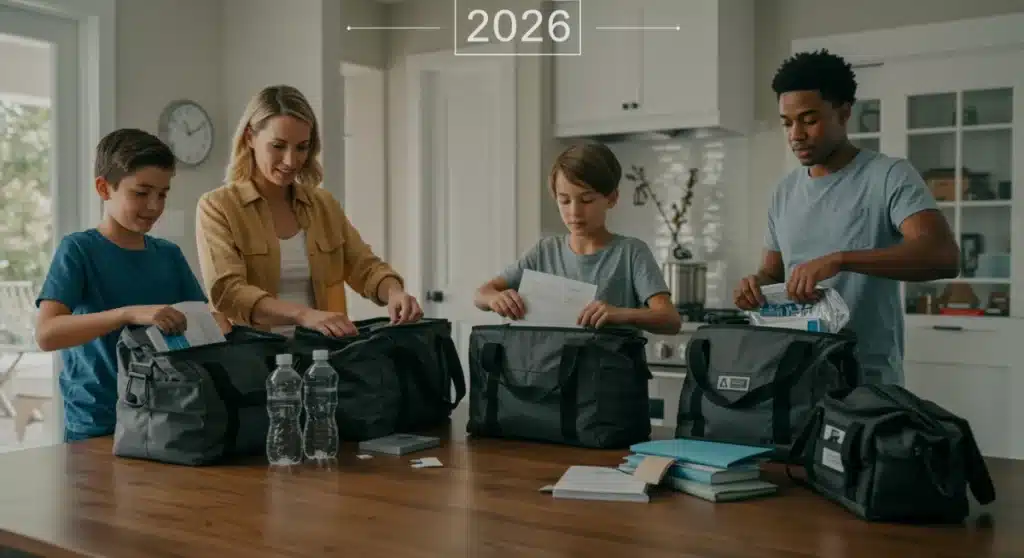
2026 Emergency Preparedness: Your Go-Bag in Under 2 Hours
Anúncios
Efficient 2026 emergency preparedness means organizing a comprehensive go-bag in under two hours, ensuring you and your family are ready for any unforeseen event with essential supplies and critical documents for immediate evacuation.
Anúncios
In an increasingly unpredictable world, proactive readiness is not just a recommendation; it’s a necessity. This guide will walk you through the crucial steps for 2026 emergency preparedness, focusing on how to organize your go-bag efficiently in under two hours for any event. Being prepared can make all the difference when seconds count.
Anúncios
Understanding the ‘Go-Bag’ Concept in 2026
The concept of a ‘go-bag,’ also known as a bug-out bag or emergency kit, has evolved significantly with advancements in technology and a deeper understanding of disaster response. In 2026, it’s more than just a collection of supplies; it’s a meticulously planned portable survival kit designed to sustain you and your family for at least 72 hours during an evacuation or immediate emergency. The focus has shifted towards smart, compact, and multi-functional items, leveraging modern innovations to reduce weight and increase utility.
Preparing for the unexpected requires a clear understanding of potential threats specific to your region. Whether it’s natural disasters like hurricanes, earthquakes, wildfires, or other unforeseen events, your go-bag should be tailored to address these scenarios. The goal is to minimize panic and maximize your ability to react swiftly and effectively, ensuring your family’s safety and well-being during critical moments. This foundational understanding will guide your packing choices and overall strategy.
The 72-Hour Rule and Beyond
- Initial Sustenance: Your go-bag should contain enough provisions (water, non-perishable food) to last for a minimum of 72 hours. This timeframe is often cited by emergency management agencies as the period before external aid might become widely available.
- Beyond the Basics: While 72 hours is the baseline, consider expanding your kit to last longer if your specific circumstances or location warrant it. Remote areas or those prone to severe, prolonged outages might require a 5-7 day supply.
- Regular Review: The contents of your bag, especially food and water, should be reviewed and rotated every six months to ensure freshness and efficacy.
The importance of a well-stocked and regularly updated go-bag cannot be overstated. It represents your family’s immediate lifeline, providing essential resources when access to conventional services is disrupted. By embracing the principles of smart packing and continuous readiness, you empower yourself to face emergencies with confidence and resilience, making 2026 emergency preparedness a cornerstone of your household’s safety plan.
Essential Categories for Your 2026 Go-Bag
When assembling your go-bag, think in terms of critical categories rather than just individual items. This systematic approach ensures that no vital component is overlooked and that your kit provides comprehensive coverage for various needs. The core categories typically include water and purification, food, first aid, shelter and warmth, communication, and personal documents. Each category plays a distinct role in ensuring your survival and comfort during an emergency.
Modern emergency planning also emphasizes compact, lightweight solutions. For instance, water purification tablets or portable filters are often prioritized over bulky water bottles, allowing for more efficient use of space and weight. Similarly, high-calorie, non-perishable food bars are favored over canned goods. By focusing on these essential categories with a mind toward efficiency, you can build a robust go-bag that is both comprehensive and manageable, aligning with the demands of 2026 emergency preparedness.
Water and Hydration Solutions
- Water Filters/Purifiers: Portable water filters or purification tablets are crucial for ensuring a safe drinking water supply from various sources.
- Collapsible Water Bottles: Lightweight and space-saving, these allow you to carry purified water once collected.
- Hydration Bladders: If your bag permits, a hydration bladder can offer easier access to water on the move.
Nutrition and Energy Sources
For food, opt for non-perishable, high-energy items that require no cooking and take up minimal space. Energy bars, dried fruits, nuts, and emergency ration bars are excellent choices. Rotate these items regularly to ensure they remain fresh and palatable. Remember, the goal is sustenance, not gourmet dining.
First Aid and Hygiene
A comprehensive first-aid kit is non-negotiable. Include bandages, antiseptic wipes, pain relievers, any personal prescription medications, and a first-aid manual. Personal hygiene items like hand sanitizer, wet wipes, and a small bar of soap are also vital for maintaining health and morale during an emergency.
By breaking down your go-bag into these essential categories, you create a structured approach to packing. This method not only makes the task less daunting but also ensures that you have considered all angles of survival and well-being. A well-categorized go-bag is a testament to thorough 2026 emergency preparedness, offering peace of mind when it matters most.
Communication and Navigation in an Emergency
In any emergency, reliable communication and navigation are paramount. The ability to contact loved ones, receive official alerts, and find your way to safety can be life-saving. In 2026, this means going beyond just a charged cell phone. Consider alternative communication devices and robust navigation tools that don’t rely solely on power grids or cellular networks, which can be vulnerable during widespread disruptions.
Having multiple methods for communication ensures redundancy. A hand-crank or solar-powered radio, for instance, can provide vital information even when electricity is out. Similarly, traditional maps and compasses serve as reliable backups to GPS devices, especially if batteries fail or signals are lost. Integrating these tools into your go-bag strategy is a critical aspect of comprehensive 2026 emergency preparedness.
Essential Communication Devices
- Hand-Crank/Solar Radio: Crucial for receiving emergency broadcasts without relying on external power. Look for models with a built-in phone charger.
- Whistle: A simple yet effective signaling device for attracting attention.
- Fully Charged Power Bank: For recharging electronic devices like phones or tablets. Ensure it’s fully charged and stored safely.
Navigation Tools and Strategies
While smartphones with GPS are convenient, they are unreliable in extended power outages. Include physical maps of your area and planned evacuation routes, along with a compass. Learn how to use them beforehand. Consider a small, waterproof notebook and pen for jotting down important information or directions.
Family Communication Plan
Beyond devices, a pre-established family communication plan is vital. Decide on a meeting point outside your home and an out-of-state contact person for family members to check in with. Practice this plan regularly. This ensures that even if separated, everyone knows the steps to reunite or confirm safety.
Ensuring you can communicate and navigate effectively significantly boosts your chances of safety and recovery during an emergency. By incorporating a variety of tools and a clear communication strategy into your go-bag, you are not just packing items; you are building a resilient network for your family’s protection. This forward-thinking approach is a hallmark of effective 2026 emergency preparedness.
Shelter, Warmth, and Personal Protection
During an emergency, having adequate shelter and protection from the elements is crucial for survival and maintaining morale. Your go-bag should include items that can provide immediate warmth, protect against rain or wind, and offer a basic level of personal security. This category often gets overlooked in favor of food and water, but exposure can quickly become a life-threatening issue. Prioritizing compact and effective solutions for shelter and warmth is key to well-rounded 2026 emergency preparedness.
Think about multi-purpose items that can serve several functions. For example, a heavy-duty tarp can be used as a ground cover, a makeshift shelter, or even a signal. Similarly, thermal blankets are incredibly lightweight yet offer significant warmth. The goal is to maximize utility while minimizing bulk, ensuring your go-bag remains manageable for quick deployment when needed most.
Immediate Shelter Solutions
- Emergency Blanket/Bivvy: Lightweight, compact thermal blankets or bivvy bags provide crucial warmth and protection from hypothermia.
- Tarp and Cordage: A small, durable tarp along with paracord can be used to create a simple, temporary shelter.
- Poncho: Offers individual protection from rain and can also serve as a ground cover.
Warmth and Comfort
Even in moderate climates, nights can get cold. Include a set of warm, moisture-wicking clothing, such as thermal underwear, wool socks, and a hat. Hand warmers can also provide a significant boost in comfort during cold conditions. Remember that layers are more effective than a single bulky item for regulating body temperature.
Personal Protection and Tools
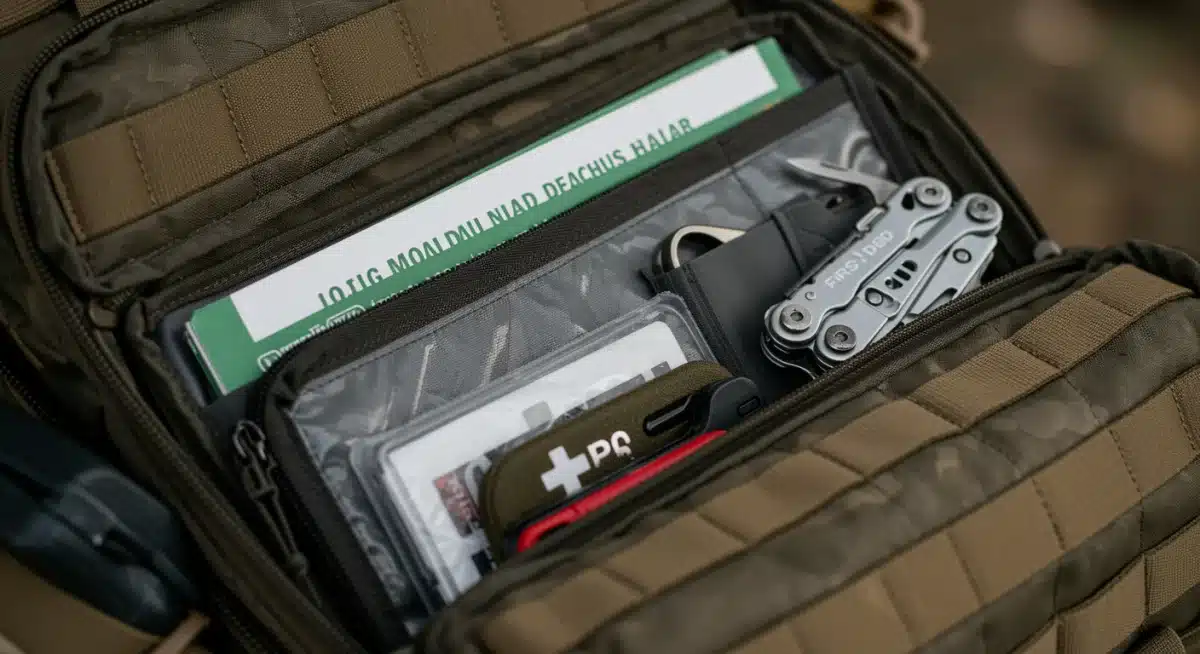
A multi-tool with pliers, knife, and screwdriver functions is invaluable for various tasks. A durable flashlight or headlamp with extra batteries is essential for navigating in the dark. For personal safety, consider a small, loud whistle or a personal alarm. These tools not only aid in survival but also provide a sense of security.
By thoughtfully including items for shelter, warmth, and personal protection, you enhance your go-bag’s ability to support you through diverse emergency scenarios. This comprehensive approach to preparedness ensures that you are shielded from the elements and equipped to handle unforeseen challenges, making your 2026 emergency preparedness strategy robust and reliable.
Important Documents and Valuables
Beyond physical supplies, your go-bag must contain copies of critical documents and a small amount of cash. In an emergency, access to digital records might be impossible, and physical currency could be the only accepted form of payment. These items are often overlooked, but they are absolutely essential for proving identity, accessing funds, and navigating administrative processes during and after a disaster. Safeguarding these documents is a cornerstone of effective 2026 emergency preparedness.
Organize these items in a waterproof, easily accessible pouch within your go-bag. Consider digital backups stored on an encrypted USB drive, but always prioritize physical copies. The goal is to ensure you have immediate access to everything necessary to re-establish your life and manage any unforeseen complications, even if your home and other possessions are compromised.
Key Documents to Include
- Identification: Driver’s licenses, passports, birth certificates for all family members.
- Financial Records: Copies of bank account information, credit card numbers (front and back, with security codes obscured), insurance policies (home, auto, health, life).
- Medical Information: Prescription lists, medical history, vaccination records, and any allergy information for each family member.
- Contact Information: A physical list of emergency contacts, including family, doctors, and out-of-state contacts.
Cash and Small Valuables
Always keep a small amount of cash in various denominations. ATMs and electronic payment systems may be non-functional, making cash vital for immediate needs. Consider including small, sentimental valuables that are irreplaceable and easily transportable, such as a family photo or a small heirloom, as these can provide comfort during stressful times.
Digital Backups and Security
While physical documents are crucial, a secure, encrypted USB drive containing digital copies of all these documents adds an extra layer of protection. Ensure this drive is stored in the waterproof pouch with the physical copies. Regularly update these digital backups, especially after any changes to your personal or financial information.
By meticulously curating and protecting your important documents and a small amount of cash, you equip yourself with the administrative and financial tools necessary to navigate the aftermath of an emergency. This foresight in your 2026 emergency preparedness plan can significantly reduce stress and facilitate recovery, offering vital support when traditional systems are down.
Customizing Your Go-Bag for Specific Needs
While there are universal essentials for any go-bag, true effectiveness comes from customizing it to your family’s unique needs and circumstances. This personalization ensures that everyone, from infants to seniors, and even pets, has their specific requirements met. Generic kits often miss these crucial details, which can become significant challenges during an emergency. Taking the time to tailor your go-bag is a hallmark of thorough 2026 emergency preparedness.
Consider the age of family members, any chronic medical conditions, dietary restrictions, and even the emotional support needs of children. Pets, too, require their own set of provisions. A customized approach not only enhances the physical safety of your loved ones but also addresses their comfort and psychological well-being during stressful times, making your emergency plan truly comprehensive.
Children’s Needs
- Comfort Items: A small toy, book, or blanket can provide immense comfort and distraction for children.
- Diapers and Wipes: If you have infants or toddlers, ensure an adequate supply.
- Formula/Baby Food: Sufficient quantities for at least 72 hours, along with bottles and feeding supplies.
- Age-Appropriate Snacks: Easy-to-eat, non-perishable snacks that children enjoy.
Pet Preparedness
Don’t forget your furry friends! Include a supply of pet food, water, a leash, collar with ID tags, vaccination records, and any necessary medications. A small toy can also help alleviate their stress. Ensure you have a pet carrier if you anticipate needing to evacuate quickly and safely with your animal.
Medical and Dietary Considerations
For family members with chronic conditions, ensure at least a week’s supply of prescription medications, along with copies of prescriptions and doctor’s contact information. If anyone has severe allergies, include EpiPens or other necessary treatments. Similarly, pack specialized foods for those with dietary restrictions or allergies.
Customizing your go-bag is not an optional add-on; it’s an integral part of responsible emergency planning. By addressing the specific needs of every family member and pet, you transform a standard emergency kit into a lifeline tailored to your unique household. This level of detail in 2026 emergency preparedness demonstrates a profound commitment to the safety and well-being of all your loved ones.
Maintaining and Updating Your Go-Bag
Creating your go-bag is only the first step; maintaining and regularly updating it is equally, if not more, important. Supplies can expire, medications can become ineffective, and personal needs can change over time. A go-bag that isn’t current is a liability, not an asset, in an emergency. Establishing a routine for review and replenishment ensures that your kit remains ready and effective when you need it most. This ongoing vigilance is a cornerstone of robust 2026 emergency preparedness.
Set a recurring reminder, perhaps twice a year during daylight saving time changes, to inspect all items. Check expiration dates on food, water, and medications. Test batteries in flashlights and radios. Replace clothing sizes if children have grown. This proactive approach prevents the unpleasant surprise of discovering expired or inadequate supplies during a crisis, ensuring your go-bag truly serves its purpose.
Regular Inventory Check
- Expiration Dates: Systematically check all food, water, and medication expiration dates. Replace anything approaching its expiry.
- Battery Check: Test flashlights, radios, and other battery-operated devices. Replace old batteries and keep spares.
- Clothing Sizes: For families with growing children, update clothing and shoe sizes as needed.
Seasonal Adjustments
Consider making seasonal adjustments to your go-bag. In colder months, you might want to add extra layers of warm clothing, heavier blankets, and more robust hand warmers. During warmer seasons, focus on items like sunscreen, insect repellent, and lighter clothing options. These small adjustments can significantly improve comfort and safety.
Practice and Review Your Plan
Beyond the physical bag, regularly review your family’s emergency plan. Discuss evacuation routes, meeting points, and communication strategies. Conduct drills, if appropriate, to familiarize everyone with the process. This practice ensures that the plan is not just theoretical but actionable, and that everyone knows their role during an emergency.
A well-maintained and regularly updated go-bag, supported by a practiced family emergency plan, is the ultimate expression of 2026 emergency preparedness. It transforms a collection of items into a dynamic, reliable system designed to protect and sustain your family through any crisis. Invest the time in ongoing maintenance, and you’ll reap the rewards of peace of mind.
| Key Aspect | Brief Description |
|---|---|
| 72-Hour Rule | Stock enough supplies for at least three days of self-sufficiency during an emergency. |
| Document Protection | Keep waterproof copies of IDs, financial, and medical records in your go-bag. |
| Communication Tools | Include hand-crank radios, power banks, and physical maps for reliable communication and navigation. |
| Regular Maintenance | Check and update go-bag contents every six months, especially food, water, and medications. |
Frequently Asked Questions About Go-Bags
The ideal weight for a go-bag varies by individual, but a general guideline is that it should not exceed 15-20% of your body weight. For children, it should be even less. Prioritize lightweight, multi-functional items to keep the weight manageable for quick evacuation.
It’s recommended to update your go-bag at least every six months. This allows you to check expiration dates on food, water, and medications, replace batteries, and adjust clothing for seasonal changes or growing family members. Consistency ensures readiness.
Absolutely. Include a small amount of cash in various denominations. During emergencies, electronic payment systems and ATMs may be non-functional, making physical currency essential for purchasing necessary supplies or services. It’s a critical backup.
Crucial documents include identification (passports, driver’s licenses), copies of insurance policies, bank account information, medical records, and a list of emergency contacts. Store these in a waterproof pouch and consider encrypted digital backups for added security.
Yes, customizing your go-bag for pets is highly recommended. Include pet food, water, a leash, collar with ID tags, vaccination records, medications, and a small toy. A pet carrier should also be readily accessible for safe evacuation.
Conclusion
Mastering 2026 emergency preparedness by organizing your go-bag in under two hours is an achievable and vital step toward safeguarding your family’s future. This comprehensive guide has detailed the essential categories, from hydration and nutrition to communication, shelter, and critical documents, emphasizing the importance of customization and regular maintenance. By taking proactive measures today, you are not just packing a bag; you are investing in peace of mind and resilience, ensuring that you are ready for any eventuality the future may hold.