Inflation Forecast 2026: 2.8% Rate & Your Purchasing Power Impact
Anúncios
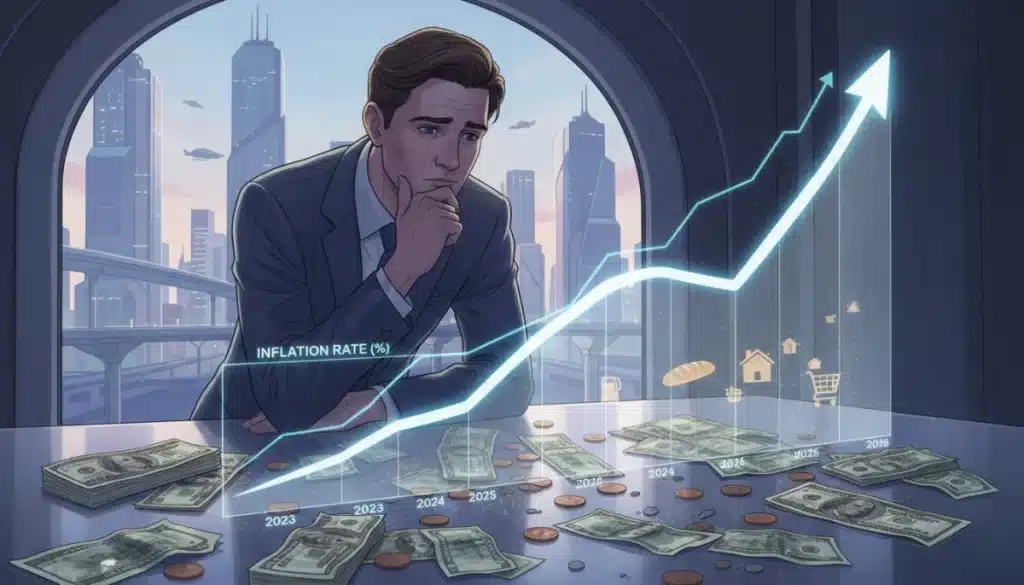
Experts forecast a 2.8% inflation rate for 2026, a critical projection directly influencing household budgets and the overall economic well-being of consumers across the United States.
Anúncios
The year 2026 is on the horizon, and with it comes an economic outlook that demands attention, particularly regarding inflation. The consensus among leading financial institutions and economic analysts points to a 2026 inflation forecast of approximately 2.8%. This seemingly modest percentage holds significant implications for every American, directly affecting your everyday expenses and, ultimately, your purchasing power. Understanding this projection isn’t just for economists; it’s crucial for prudent financial planning and safeguarding your financial future.
Anúncios
Understanding the 2.8% Inflation Forecast for 2026
The prediction of a 2.8% inflation rate for 2026 is not a random number; it’s the result of complex economic modeling and analysis from various expert sources. This figure sits slightly above the Federal Reserve’s long-term target of 2%, indicating a persistent, albeit controlled, upward pressure on prices. Understanding the factors contributing to this forecast is essential for anyone looking to navigate the economic landscape effectively.
Several key indicators are factored into these projections. These include global supply chain dynamics, energy prices, labor market conditions, and consumer demand trends. Each of these elements plays a pivotal role in shaping the inflationary environment that consumers will face in the coming years.
Key Drivers Behind the 2026 Inflation Outlook
The stability of global supply chains post-pandemic has been a major focus. While some bottlenecks have eased, new geopolitical tensions and climate-related disruptions could introduce fresh challenges, impacting production costs and, consequently, consumer prices. Energy prices, always a volatile component, are another significant driver. Fluctuations in oil and natural gas markets have a ripple effect across nearly all sectors of the economy, from manufacturing to transportation.
- Global Supply Chain Resilience: Ongoing efforts to diversify supply routes and onshore production could mitigate some inflationary pressures, but the transition is slow.
- Energy Market Stability: Geopolitical events and OPEC+ decisions continue to influence crude oil prices, directly affecting fuel and utility costs.
- Labor Market Dynamics: Wage growth, driven by tight labor markets, translates into higher operational costs for businesses, often passed on to consumers.
- Consumer Spending Patterns: A robust consumer demand, fueled by savings or credit, can empower businesses to raise prices without losing market share.
The 2.8% forecast represents a delicate balance between these forces, suggesting that while significant inflationary spikes might be avoided, a return to pre-pandemic low inflation levels is not expected. This baseline inflation rate requires consumers to be vigilant about their spending and savings strategies.
The Erosion of Purchasing Power: What It Means for Your Wallet
At its core, inflation means that your money buys less than it used to. A 2.8% inflation rate, compounded over time, can significantly erode your purchasing power. This isn’t just an abstract economic concept; it has tangible effects on your daily life, from the cost of your groceries to the price of your next car or home. Understanding this erosion is the first step toward mitigating its impact.
To illustrate, consider a basket of goods and services that costs $100 today. With a 2.8% inflation rate, that same basket would cost approximately $102.80 a year later. While that might not seem like much in a single year, the cumulative effect over several years can be substantial, especially for fixed incomes or stagnant wages. This necessitates a reevaluation of personal finance strategies.
Impact on Everyday Expenses
Every household budget is susceptible to inflationary pressures. Essential expenditures like food, housing, and transportation are often the first to reflect rising prices. For instance, food prices can be affected by everything from agricultural yields to transportation costs, all of which are sensitive to inflation. Housing costs, including rent and mortgages, also tend to climb, often outpacing general inflation due to localized demand and supply factors.
- Groceries: Expect continued modest price increases for staple items, influenced by global commodity markets and local distribution costs.
- Housing: Rent and property values are likely to see sustained growth, making affordability a key concern for many.
- Utilities: Energy price fluctuations will directly impact electricity, gas, and water bills.
- Transportation: Fuel costs remain a primary driver, alongside maintenance and insurance expenses.
The impact extends beyond necessities, affecting discretionary spending as well. Entertainment, dining out, and travel become more expensive, potentially forcing consumers to make trade-offs or reduce the frequency of these activities. This erosion of purchasing power demands a strategic approach to budgeting and investment.
Insider Knowledge: Why Experts Predict 2.8%
The expert consensus on a 2.8% inflation rate for 2026 is not a mere guess but a sophisticated analysis based on a confluence of economic indicators and forward-looking models. These predictions are shaped by central bank policies, fiscal spending, global economic growth, and technological advancements. A deep dive into these factors provides valuable ‘insider knowledge’ into the mechanisms driving future prices.
Central banks, particularly the Federal Reserve, play a crucial role in managing inflation through monetary policy. Their decisions on interest rates, quantitative easing, and tightening directly influence the money supply and borrowing costs, which in turn affect consumer spending and business investment. The balancing act between stimulating economic growth and curbing inflation is a delicate one, and the 2.8% forecast suggests a path where inflation is managed but not fully eradicated.
Analyzing Key Economic Indicators
Economists scrutinize a range of data points to formulate their forecasts. The Consumer Price Index (CPI), Producer Price Index (PPI), and Personal Consumption Expenditures (PCE) price index are primary measures of inflation. Beyond these, they also look at wage growth, unemployment rates, manufacturing output, and global trade balances. For 2026, the expectation is that while some of these indicators will show signs of moderation, others will continue to exert upward pressure on prices.
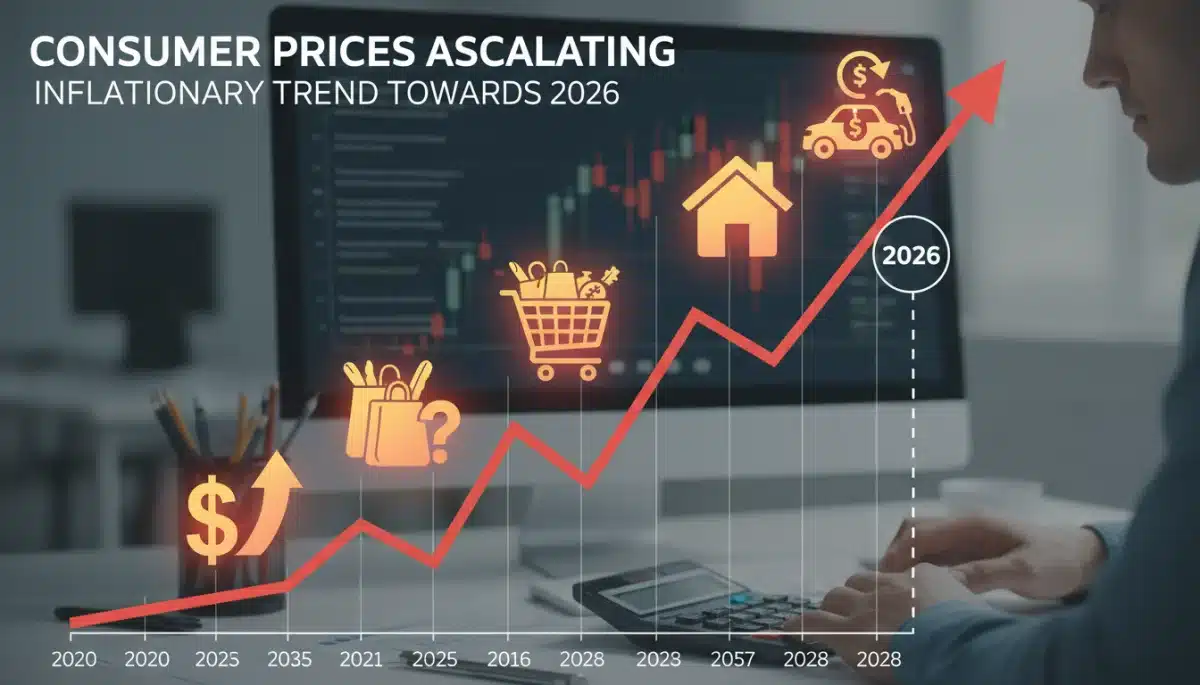
- Federal Reserve’s Stance: The Fed’s commitment to price stability while supporting full employment will be critical in shaping the inflationary trajectory.
- Government Fiscal Policies: Government spending and taxation policies can either fuel or dampen inflationary pressures.
- Technological Advancements: Innovation can lead to cost efficiencies, potentially offsetting some inflationary trends in specific sectors.
- Global Economic Health: The economic performance of major trading partners can influence import/export prices and overall supply chain stability.
The 2.8% forecast indicates a belief that the Federal Reserve will largely succeed in bringing inflation down from its recent peaks but will allow for a slightly higher, more persistent rate than its long-term target, perhaps as a trade-off for sustained economic growth and a robust labor market. This intricate interplay of factors forms the basis of expert predictions.
Protecting Your Financial Future: Strategies to Combat Inflation
Given the persistent nature of inflation, even at a moderate 2.8%, it’s imperative for individuals and households to adopt proactive financial strategies. Simply maintaining the status quo will likely result in a gradual but noticeable decline in living standards. The goal is not just to survive inflation but to thrive despite it, by making smart financial choices today.
One of the most effective ways to combat inflation is through strategic investing. Traditional savings accounts often offer returns that are lower than the inflation rate, meaning your money loses value just by sitting there. Diversifying your investment portfolio to include assets that historically perform well during inflationary periods can help preserve and even grow your wealth.
Investment and Savings Strategies
Consider investments that offer a hedge against inflation. Real estate, for example, often appreciates in value during inflationary times, and rental income can also increase. Inflation-protected securities (TIPS) are another option, as their principal value adjusts with the Consumer Price Index. Stocks, particularly those of companies with strong pricing power, can also be a good hedge, as these companies can pass on higher costs to consumers without significant loss of demand.
- Real Estate: Property values and rental income can often keep pace with, or exceed, inflation.
- Inflation-Protected Securities (TIPS): These government bonds adjust their principal value based on inflation, protecting your investment.
- Commodities: Investing in raw materials like gold, silver, or oil can offer a hedge, as their prices often rise with inflation.
- Growth Stocks: Companies with strong brands and essential products can often raise prices without losing customers.
Beyond investments, re-evaluating your budget for areas where you can save or cut back is crucial. Look for opportunities to reduce discretionary spending, refinance debts at lower interest rates if possible, and explore ways to increase your income. These combined strategies form a robust defense against the erosive effects of inflation.
The Role of Wages and Income in a 2.8% Inflation Environment
In an environment where inflation is expected to hover around 2.8%, the growth of wages and income becomes critically important. If your income doesn’t keep pace with the rising cost of living, your real purchasing power will decline. This highlights the ongoing tension between labor and capital, and the need for individuals to advocate for their economic value.
For many, annual salary adjustments are the primary mechanism for offsetting inflation. However, not all jobs or industries offer wage growth that matches or exceeds the inflation rate. This disparity can lead to a widening gap in economic well-being, where some individuals see their financial standing improve, while others struggle to maintain their current lifestyle.
Navigating Wage Growth and Career Development
To ensure your income keeps pace, actively pursuing career development and salary negotiations is vital. This might involve acquiring new skills, seeking promotions, or even changing jobs to find opportunities with better compensation packages. Understanding the market value of your skills and experience is a powerful tool in advocating for higher wages.
- Skill Development: Investing in education and training can make you more valuable in the labor market, leading to higher earning potential.
- Performance Reviews: Use annual reviews as an opportunity to discuss salary adjustments based on your contributions and market rates.
- Job Market Research: Stay informed about salary trends in your industry and region to ensure your compensation is competitive.
- Side Gigs/Freelancing: Exploring additional income streams can provide a buffer against inflation and increase overall financial resilience.
Furthermore, for retirees and those on fixed incomes, the impact of inflation can be particularly acute. Social Security benefits often include cost-of-living adjustments (COLAs), but these may not always fully capture the true rise in living expenses. Therefore, careful planning for retirement income, potentially incorporating inflation-adjusted annuities or investments, becomes even more critical.
Government and Central Bank Responses to 2.8% Inflation
The projected 2.8% inflation rate for 2026 will undoubtedly influence the strategies adopted by government bodies and central banks. Their primary objective is to maintain economic stability, which includes managing price levels and ensuring sustainable growth. The specific actions they take can have profound effects on the broader economy and individual finances.
Central banks, like the Federal Reserve, use monetary policy tools to influence inflation. If inflation appears to be accelerating beyond the 2.8% forecast, they might consider further interest rate hikes or other measures to cool down the economy. Conversely, if economic growth falters, they might ease policy to stimulate activity, potentially allowing for slightly higher inflation.
Policy Tools and Their Potential Impact
Governments, through fiscal policy, can also play a significant role. Tax policies, government spending on infrastructure, and social programs can all influence aggregate demand and, consequently, inflation. For instance, targeted spending in areas that boost productivity or alleviate supply chain issues could help mitigate inflationary pressures, while broad stimulus packages might exacerbate them.
- Interest Rate Adjustments: The Fed’s primary tool to control borrowing costs and money supply.
- Quantitative Tightening/Easing: Adjusting the size of the central bank’s balance sheet to influence long-term interest rates.
- Fiscal Spending: Government investment in critical sectors can impact supply and demand dynamics.
- Regulatory Changes: Policies aimed at increasing competition or reducing barriers to entry can help lower prices in specific industries.
The ongoing dialogue between fiscal and monetary policy makers will be key to managing the 2.8% inflation environment. Their coordinated or divergent actions will directly shape the economic conditions that consumers and businesses experience. Staying informed about these policy decisions is crucial for anticipating market shifts and adjusting personal financial strategies accordingly.
| Key Aspect | Brief Description |
|---|---|
| 2026 Inflation Rate | Experts predict a 2.8% annual inflation rate, slightly above the Fed’s 2% target. |
| Purchasing Power | A 2.8% rate will erode purchasing power, making goods and services more expensive over time. |
| Financial Strategies | Strategic investing (real estate, TIPS, growth stocks) and budgeting are crucial to mitigate impact. |
| Wage Growth | Income growth needs to match or exceed 2.8% to maintain real living standards. |
Frequently Asked Questions About 2026 Inflation
Experts forecast the inflation rate for 2026 to be approximately 2.8%. This projection is based on various economic factors including global supply chains, energy prices, and central bank policies, aiming for a controlled but persistent price increase.
A 2.8% inflation rate means that your money will buy less over time. The cost of goods and services will increase, requiring more money to maintain the same standard of living, thus eroding your overall purchasing power.
To combat inflation, consider investing in assets that historically perform well during inflationary periods, such as real estate, inflation-protected securities (TIPS), and growth stocks. Budgeting and seeking income growth are also crucial.
The 2.8% projection balances anticipated global economic growth, central bank efforts to manage money supply, and the easing but not elimination of supply-side pressures. It reflects an expectation of controlled, rather than runaway, price increases.
Whether your wages keep pace depends on your industry, job market demand, and negotiation skills. It’s essential to actively pursue career development and advocate for salary increases that at least match the 2.8% inflation rate to maintain your real income.
Conclusion
The 2026 inflation forecast of 2.8% is more than just a number; it’s a critical economic benchmark that will shape the financial landscape for individuals and businesses across the United States. While representing a moderate increase, its persistent nature demands proactive engagement and informed decision-making. By understanding the underlying drivers of this inflation, adapting personal financial strategies to protect purchasing power, and staying abreast of government and central bank responses, Americans can navigate the economic challenges ahead. The key lies in strategic planning, smart investing, and a continuous effort to ensure that income growth keeps pace with the evolving cost of living, ultimately safeguarding financial well-being in 2026 and beyond.