Medical Bill Transparency: Your 2026 Rights to Fair Pricing

Anúncios
As of 2026, medical bill transparency empowers patients with rights to fair pricing and detailed itemized statements, ensuring clarity and control over healthcare costs in the United States.
Anúncios
Navigating the complex world of healthcare billing can often feel like deciphering a cryptic code, leaving many patients confused and financially vulnerable. However, with the advent of enhanced regulations, particularly those taking effect in 2026, understanding your rights regarding medical bill transparency is more crucial than ever. These changes are designed to empower you, the patient, with the knowledge and tools needed to challenge unfair charges and demand clarity in an industry often shrouded in mystery.
Anúncios
The Evolution of Medical Bill Transparency
The journey towards greater medical bill transparency has been a long and arduous one, driven by countless patient stories of unexpected and exorbitant costs. For years, patients have faced a system where prices for the same procedures could vary wildly between providers, and understanding the true cost before receiving care was nearly impossible. This lack of transparency often led to significant financial distress, even for those with insurance.
Recognizing the urgent need for change, lawmakers and advocacy groups have pushed for reforms aimed at shedding light on healthcare pricing. These efforts have culminated in significant legislation designed to protect consumers. The aim is to shift the power dynamic, giving patients more control and a clearer understanding of what they are being charged for, fostering a more equitable healthcare system.
Key Legislative Milestones
Several pivotal legislative actions have paved the way for the current state of medical bill transparency. These milestones reflect a growing commitment to consumer protection in healthcare.
- No Surprises Act (2022): This landmark legislation protected consumers from surprise medical bills for emergency services and certain non-emergency services provided by out-of-network providers at in-network facilities. It was a crucial first step in preventing unexpected charges.
- Hospital Price Transparency Rule: Mandated by the Centers for Medicare & Medicaid Services (CMS), this rule requires hospitals to provide clear, accessible pricing information online for standard charges. While initial compliance varied, it set a precedent for greater openness.
- Future Regulations (2026 and Beyond): Anticipated regulations for 2026 build upon these foundations, further solidifying patient rights to detailed itemized statements and upfront pricing. These forthcoming rules aim to close existing loopholes and ensure more comprehensive transparency across the healthcare spectrum.
These legislative changes collectively represent a significant stride towards demystifying medical costs. They empower patients to be more informed consumers, capable of making better decisions about their healthcare and financial well-being. The evolution continues, promising even greater clarity in the years to come.
Your Rights to Fair Pricing and Itemized Statements in 2026
As we approach 2026, patients will find themselves armed with stronger rights to demand fair pricing and comprehensive itemized statements. These rights are not just theoretical; they are legally mandated protections designed to put power back into the hands of healthcare consumers. Understanding these specific entitlements is the first step toward effective advocacy for yourself and your family.
The core of these rights revolves around the principle that you should not be blindsided by medical costs. Healthcare providers will be increasingly obligated to furnish clear, understandable information about the services you receive and their associated charges, long before a final bill lands in your mailbox.
Understanding Itemized Statements
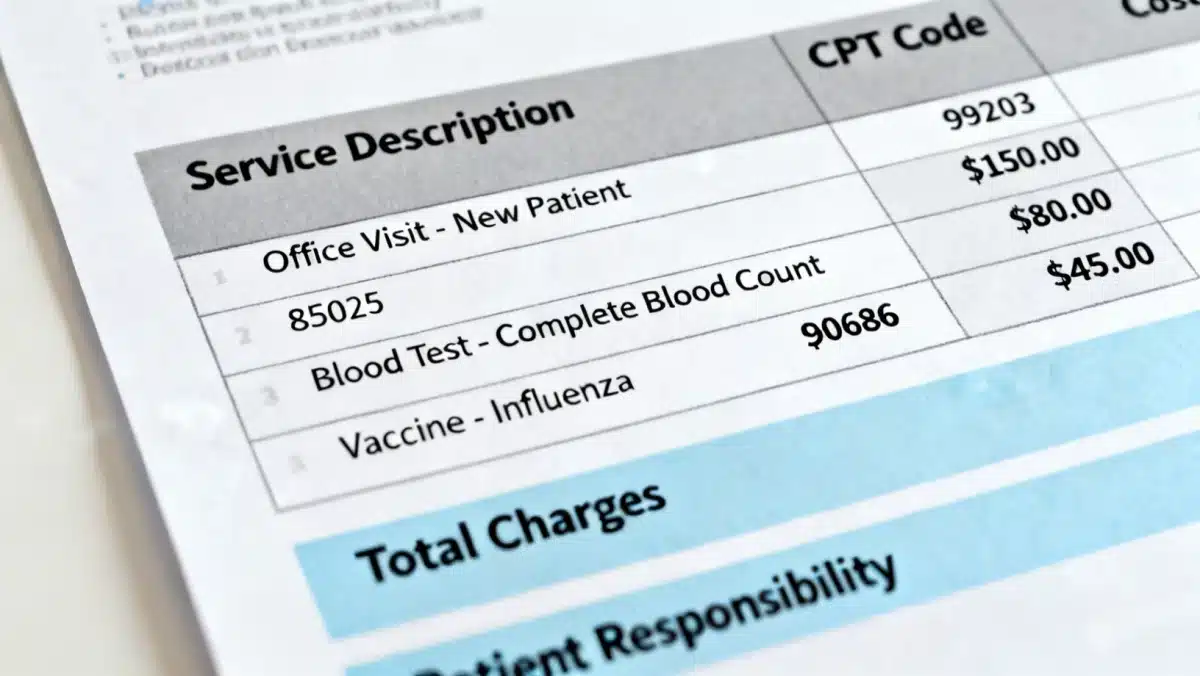
An itemized statement is much more than a simple bill; it is a detailed breakdown of every service, supply, and medication you received during a healthcare encounter. In 2026, your right to receive a truly comprehensive itemized statement becomes paramount.
- Detailed Service Codes: Expect to see standardized codes (like CPT codes) for every procedure and service, making it easier to research and verify charges.
- Drug and Supply Costs: Individual listings for medications, medical devices, and supplies used during your care, rather than bundled charges.
- Provider Information: Clear identification of every healthcare professional involved in your care and their specific charges.
- Date and Time of Service: Specific timestamps for services, allowing for cross-referencing with your own records.
This level of detail is crucial for identifying potential errors, duplicate charges, or services you did not receive. It transforms a confusing bill into an auditable document, enabling you to scrutinize every line item with confidence.
Accessing Advanced Explanations of Benefits (EOB)
Beyond the itemized statement, new regulations will also enhance your access to Advanced Explanations of Benefits (EOBs). These documents, provided by your insurer, will offer a clearer picture of what your insurance is expected to cover and your estimated out-of-pocket costs before you even receive care for scheduled services. This proactive approach helps prevent financial surprises and allows for better planning.
Navigating the No Surprises Act: What You Need to Know
The No Surprises Act, which came into full effect in 2022, is a cornerstone of medical bill transparency and directly impacts your rights as of 2026. This legislation was a game-changer for patients, protecting them from unexpected bills from out-of-network providers in emergency situations and for certain non-emergency services. Understanding its provisions is essential for safeguarding your financial health.
Before the No Surprises Act, it was common for patients to receive care at an in-network facility, only to find out later that a doctor involved in their treatment (like an anesthesiologist or radiologist) was out-of-network, leading to substantial, unexpected bills. The Act largely eliminates this scenario, providing a critical layer of protection.
Key Protections Under the No Surprises Act
The Act offers several vital protections that every patient should be aware of:
- Emergency Services: You cannot be billed more than your in-network cost-sharing amount for emergency services, even if you receive them from an out-of-network provider or facility.
- Non-Emergency Services: For certain non-emergency services at an in-network hospital or ambulatory surgical center, you are protected from surprise bills for services provided by out-of-network providers (e.g., assistant surgeons, anesthesiologists) whom you did not choose.
- Air Ambulance Services: The Act also extends protections to air ambulance services, ensuring you are not hit with exorbitant out-of-network charges in critical situations.
These protections significantly reduce the risk of financial hardship due to unforeseen medical costs. It places the burden on providers and insurers to resolve billing disputes, rather than leaving patients in the middle.
The Good Faith Estimate (GFE) Provision
Another crucial element of the No Surprises Act, which continues to evolve and strengthen by 2026, is the requirement for providers to issue a Good Faith Estimate (GFE). For uninsured or self-pay patients, providers must give a GFE of expected charges for scheduled services. This estimate must include all items and services associated with your care. If your actual bill is at least $400 more than your GFE, you have the right to dispute the bill. This provision empowers patients with upfront cost information, allowing for better financial planning and preventing sticker shock after treatment.
Strategies for Disputing Medical Bills and Errors
Even with enhanced transparency, errors and disputes can still arise. Knowing how to effectively challenge a medical bill is a vital skill for any patient. The process can seem daunting, but with a structured approach and an understanding of your rights, you can successfully resolve billing discrepancies and avoid paying for services you didn’t receive or that were unfairly priced.
Disputing a bill requires diligence and organization. It’s not about avoiding payment for legitimate services, but rather ensuring that you are only paying for what is fair, accurate, and contractually agreed upon by your insurance plan.
Step-by-Step Guide to Disputing a Bill
- Review Your Itemized Statement Thoroughly: Compare the itemized statement with your Explanation of Benefits (EOB) from your insurer and any personal notes you took during your visit. Look for duplicate charges, incorrect service dates, services not rendered, or charges for supplies you know were not used.
- Contact the Provider’s Billing Department: Start by calling the billing department directly. Clearly explain your concerns and refer to specific line items on the bill. Keep a detailed log of all communications, including dates, names of representatives, and summaries of discussions.
- Gather Supporting Documentation: Collect all relevant documents: the original bill, itemized statement, EOB, appointment confirmations, and your communication log. The more evidence you have, the stronger your case.
- Escalate if Necessary: If the initial contact doesn’t resolve the issue, ask to speak with a supervisor. If still unresolved, consider sending a formal letter of appeal (certified mail with return receipt) outlining your dispute and requesting a review.
- Contact Your Insurance Company: Your insurer can often mediate or provide insights into billing practices. They have a vested interest in ensuring you are not overbilled, as it also affects their payouts. They can also help you understand your EOB in detail.
- Seek External Assistance: If all internal avenues fail, consider reaching out to state insurance departments, consumer protection agencies, or non-profit organizations specializing in medical billing advocacy. They can offer guidance and sometimes direct intervention.
Remember, patience and persistence are key. Many billing errors are resolvable with careful attention and consistent follow-up.
The Role of Technology in Empowering Patients
As medical bill transparency advances, technology plays an increasingly significant role in empowering patients. Digital tools and platforms are emerging to help consumers navigate complex healthcare costs, track their spending, and understand their rights more effectively. These innovations are transforming how patients interact with the healthcare billing system, moving towards a more proactive and informed approach.
From mobile applications that allow you to compare procedure costs to online portals providing access to your medical and billing records, technology is making transparency more accessible than ever before. This digital shift helps bridge the information gap that historically favored providers and insurers.
Innovative Digital Tools and Platforms
Several technological advancements are aiding patients in their quest for transparency:
- Price Comparison Websites: Websites and apps are now available that allow you to compare prices for common medical procedures and services across different providers in your area. This enables you to shop for healthcare more effectively.
- Personalized Cost Estimators: Many insurance companies and healthcare systems offer online tools that can provide personalized cost estimates based on your specific plan and deductible status for scheduled procedures.
- Digital Health Records and Patient Portals: Secure online portals provide easy access to your medical records, test results, and billing history. This centralized access makes it easier to cross-reference services received with charges on your bill.
- AI-Powered Billing Advocates: Emerging AI tools can analyze your medical bills for potential errors, identify overcharges, and even help draft dispute letters, streamlining the advocacy process.
These technological aids are not just conveniences; they are powerful instruments for patient empowerment. They provide the information needed to make informed decisions, challenge discrepancies, and ultimately save money on healthcare costs. Embracing these tools is a smart strategy for any patient in 2026.
Preventative Measures: Before You Receive Care
While knowing how to dispute a bill is important, the best strategy is often prevention. Taking proactive steps before you receive medical care can significantly reduce the likelihood of encountering billing surprises. By being an informed and engaged patient, you can set clear expectations and minimize financial stress down the line, particularly with the enhanced transparency regulations of 2026.
Preparation involves asking the right questions, understanding your insurance coverage, and confirming costs upfront. This proactive approach ensures you are not just reacting to bills but actively managing your healthcare expenses.
Essential Questions to Ask Your Provider and Insurer
Before any scheduled procedure or significant medical service, make sure to ask these questions:
- Cost Estimates: “Can I get a detailed Good Faith Estimate for all services, including facility fees, physician fees, and anesthesia, for this procedure?”
- In-Network Status: “Are all providers who will be involved in my care (e.g., surgeons, anesthesiologists, pathologists) in-network with my insurance plan?” Get this in writing if possible.
- Prior Authorization: “Has this procedure been pre-authorized by my insurance company? What is the authorization number?”
- Out-of-Pocket Maximum: “What is my current deductible balance and my out-of-pocket maximum for the year? How much will this procedure contribute to those?”
- Itemized Billing: “Will I receive a fully itemized bill detailing every service and supply used?”
By asking these questions and documenting the responses, you create a clear record of expectations and commitments. This information can be invaluable if a billing dispute arises later. Being proactive is your strongest defense against unexpected medical costs.
The Future Landscape of Medical Billing and Patient Advocacy
The landscape of medical billing is undergoing a profound transformation, with 2026 serving as a pivotal year for increased transparency and patient empowerment. The momentum towards clearer, more equitable healthcare pricing is undeniable, driven by legislative mandates, technological advancements, and persistent patient advocacy. However, the journey is far from over, and continuous vigilance will be necessary to ensure these gains are sustained and expanded.
The future promises a healthcare system where patients are truly consumers, equipped with the information needed to make informed decisions. This shift will likely foster greater competition among providers and encourage more standardized, understandable billing practices across the board.
Anticipated Developments and Challenges
Looking ahead, several developments are anticipated:
- Further Regulatory Refinements: Expect ongoing adjustments to existing laws, closing loopholes and broadening the scope of transparency requirements to include more types of providers and services.
- Standardization of Pricing Data: There will likely be a push for more standardized formats for price transparency data, making it easier for patients and third-party tools to compare costs effectively.
- Increased Enforcement: As regulations mature, compliance will be more strictly enforced, with penalties for providers who fail to meet transparency requirements.
- Patient Advocacy Growth: The role of patient advocacy groups will continue to expand, providing essential support and resources for individuals navigating complex billing issues.
While these advancements are promising, challenges remain. The healthcare system is vast and complex, and complete transparency will require sustained effort from all stakeholders. Patients must continue to educate themselves, leverage available tools, and advocate for their rights. The ultimate goal is a system where financial concerns do not impede access to necessary and affordable care.
| Key Aspect | Brief Description |
|---|---|
| Itemized Statements | Patients have a right to detailed breakdowns of all services, supplies, and medications. |
| No Surprises Act | Protects against unexpected bills from out-of-network providers in emergency and certain non-emergency situations. |
| Good Faith Estimate | Uninsured/self-pay patients receive upfront cost estimates; disputes possible if bill significantly exceeds estimate. |
| Proactive Engagement | Asking key questions before care and using technology can prevent billing issues. |
Frequently Asked Questions About Medical Bill Transparency
It means you have the right to clear, understandable information about healthcare costs before and after receiving services. This includes detailed itemized statements, Good Faith Estimates for scheduled care, and protections against surprise bills from out-of-network providers, empowering you to make informed financial decisions about your health.
The No Surprises Act prevents providers from billing you for out-of-network costs for emergency services or certain non-emergency services at in-network facilities. You are only responsible for your in-network cost-sharing amount, effectively removing the burden of unexpected charges from your shoulders.
First, obtain a detailed itemized statement and compare it against your Explanation of Benefits (EOB). Then, contact the provider’s billing department to discuss discrepancies, keeping a record of all communications. If unresolved, escalate to supervisors or your insurance company for further assistance.
Yes, under the Good Faith Estimate provision (part of the No Surprises Act), uninsured or self-pay patients have the right to receive an estimate of expected charges for scheduled services. You can also proactively request cost estimates from your provider and insurer, especially for planned procedures.
You can consult your state’s Department of Insurance, consumer protection agencies, or non-profit organizations specializing in medical billing advocacy. Additionally, many healthcare systems and insurance providers offer online portals and customer service lines to assist with billing inquiries and disputes.
Conclusion
The advancements in medical bill transparency, particularly those solidified by 2026, represent a significant victory for patients across the United States. No longer should individuals feel powerless against confusing and often exorbitant medical charges. With strengthened rights to itemized statements, protections under the No Surprises Act, and the ability to demand Good Faith Estimates, patients are better equipped than ever to understand, question, and ultimately control their healthcare costs. While the system remains complex, proactive engagement, a clear understanding of your rights, and the strategic use of available resources will empower you to navigate the healthcare financial landscape with greater confidence and secure the fair pricing you deserve.