Disability Rights in 2026: Accessibility & Accommodations Guide
Anúncios
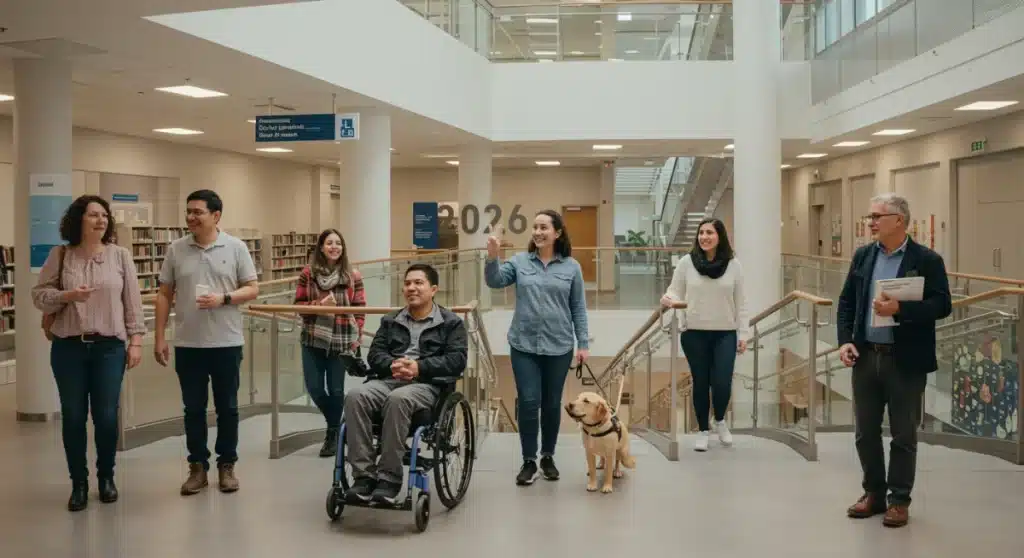
Disability rights in 2026 are primarily governed by the Americans with Disabilities Act (ADA) and related legislation, ensuring comprehensive accessibility and reasonable accommodations across various facets of life.
As we navigate 2026, understanding your rights as an individual with a disability, or as an advocate, is more crucial than ever. Disability Rights in 2026 continue to evolve, with ongoing efforts to maximize accessibility and accommodations under current laws. This guide aims to shed light on these vital protections and empower you to ensure full participation in all aspects of life.
Anúncios
Understanding the ADA in 2026: Core Principles
The Americans with Disabilities Act (ADA), enacted in 1990 and subsequently amended, remains the cornerstone of disability rights in the United States. In 2026, its core principles continue to guide how public and private entities must ensure equal opportunities for individuals with disabilities. This foundational law prohibits discrimination based on disability in employment, public accommodations, state and local government services, transportation, and telecommunications.
Anúncios
The ADA’s strength lies in its broad scope, covering a wide range of conditions that substantially limit one or more major life activities. This includes physical, sensory, intellectual, and mental health disabilities. The law’s intent is not merely to prevent discrimination but to proactively foster environments where individuals with disabilities can thrive and participate without undue barriers.
Key Titles of the ADA and Their Impact
- Title I: Employment: This title prohibits discrimination in all employment practices, from application to termination, requiring employers to provide reasonable accommodations unless doing so would cause undue hardship.
- Title II: State and Local Government Services: It mandates that state and local government entities provide equal access to their programs, services, and activities, including public transportation.
- Title III: Public Accommodations: This title ensures that businesses and non-profit service providers that are open to the public provide goods and services in an accessible manner, including physical access and communication accessibility.
- Title IV: Telecommunications: It requires telephone and internet companies to provide services that allow individuals with hearing and speech disabilities to communicate.
- Title V: Miscellaneous Provisions: This section contains various provisions, including those related to construction standards, attorney’s fees, and retaliation.
In 2026, these titles continue to be actively enforced, with new interpretations and guidelines often emerging to address technological advancements and evolving societal needs. Staying informed about these updates is crucial for both individuals with disabilities and entities obligated to comply with the ADA.
Maximizing Accessibility in Public Spaces and Digital Realms
Accessibility in 2026 extends far beyond physical ramps and accessible restrooms. While these remain critical, the focus has broadened significantly to include digital accessibility and universal design principles. Public spaces, both physical and virtual, are increasingly expected to be usable by everyone, regardless of their abilities.
For physical spaces, this means adhering to updated ADA Accessibility Guidelines (ADAAG) in new construction and alterations. Existing facilities are required to remove architectural barriers where readily achievable. This includes clear pathways, accessible entrances, appropriate signage, and emergency exits. The goal is to ensure seamless navigation and equal access to all public-facing services and amenities.
Digital Accessibility: A Growing Imperative
In our increasingly digital world, online accessibility is paramount. Websites, mobile applications, and digital content must be designed to be accessible to individuals with visual, auditory, cognitive, and motor impairments. This involves adhering to standards such as the Web Content Accessibility Guidelines (WCAG).
- Screen Reader Compatibility: Ensuring websites and applications can be easily navigated and understood by screen readers used by individuals with visual impairments.
- Keyboard Navigation: Allowing full functionality using only a keyboard, benefiting individuals who cannot use a mouse.
- Closed Captions and Transcripts: Providing these for all audio and video content to assist individuals with hearing impairments.
- Clear and Consistent Layouts: Designing interfaces that are easy to understand and predict, aiding individuals with cognitive disabilities.
The legal landscape surrounding digital accessibility is continuously developing. Businesses and government agencies are increasingly facing legal challenges for non-compliant digital platforms, underscoring the importance of proactive measures. Maximizing accessibility in these digital realms is not only a legal requirement but also a commitment to broader societal inclusion.
Ensuring Reasonable Accommodations in Employment and Education
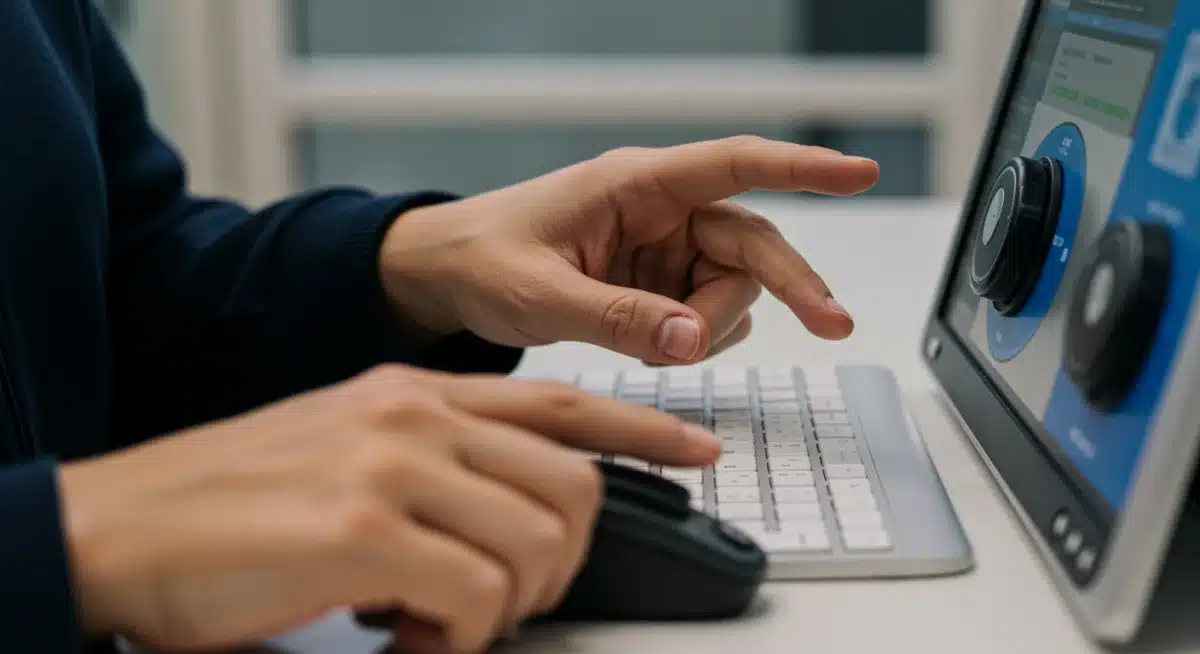
The concept of reasonable accommodation is central to disability rights, particularly in employment and educational settings. It refers to any modification or adjustment to a job, an employment practice, or the work or academic environment that enables a qualified individual with a disability to enjoy equal employment opportunities or educational access.
In the workplace, reasonable accommodations can vary widely. They might include modifications to work schedules, job restructuring, acquiring or modifying equipment, providing qualified readers or interpreters, or making the workplace accessible. Employers are obligated to provide these accommodations unless doing so would impose an undue hardship on the operation of the business.
Accommodations for Students with Disabilities
Educational institutions, from K-12 to higher education, also have a clear mandate to provide reasonable accommodations. This is often governed by the ADA and other laws like Section 504 of the Rehabilitation Act. For students, accommodations might involve extended time on tests, alternative formats for materials, assistive technology, or preferential seating.
- Individualized Education Programs (IEPs): For K-12 students, IEPs are legally binding documents outlining specific educational and support services.
- 504 Plans: These plans, under Section 504, provide accommodations for students with disabilities who do not require special education services but need adjustments to access their education.
- University Disability Services: Higher education institutions typically have dedicated offices to coordinate accommodations for students, ensuring equitable access to courses, activities, and campus life.
The interactive process is key to determining appropriate accommodations. This involves a collaborative discussion between the individual with the disability, the employer or educational institution, and sometimes medical professionals to identify effective solutions. Transparency and good faith participation from all parties are essential for successful outcomes.
Advocacy and Enforcement of Disability Rights
While laws like the ADA provide a strong legal framework, effective advocacy and robust enforcement are crucial for realizing the full promise of disability rights. Individuals with disabilities, their families, and advocacy organizations play a vital role in ensuring these rights are upheld and expanded.
Advocacy can take many forms, from individual requests for accommodations to systemic efforts influencing policy and legislation. Disability rights organizations often provide legal aid, educational resources, and support networks to empower individuals to assert their rights. They also engage in public awareness campaigns to combat stereotypes and promote a more inclusive society.
Legal Avenues for Enforcement
When discrimination occurs, there are several legal avenues available for redress:
- Filing a Complaint with the EEOC: For employment discrimination, individuals can file a complaint with the Equal Employment Opportunity Commission (EEOC).
- Department of Justice (DOJ) Complaints: The DOJ handles complaints related to public accommodations, state and local government services, and general ADA compliance.
- Private Lawsuits: Individuals can also pursue private lawsuits to enforce their rights under the ADA, often seeking injunctive relief to stop discriminatory practices and obtain damages.
- State and Local Agencies: Many states and localities have their own anti-discrimination laws and agencies that can also investigate and mediate complaints.
Understanding these enforcement mechanisms is critical. While the legal process can be complex, resources are available to guide individuals through it. The collective effort of individuals and organizations in advocating for and enforcing disability rights is what truly drives progress and ensures a more equitable future for all.
Emerging Trends and Future Directions in 2026
Looking ahead in 2026, several emerging trends are shaping the future of disability rights. Technological advancements, evolving societal attitudes, and legislative initiatives are continuously pushing the boundaries of what is considered accessible and inclusive. These trends offer both opportunities and challenges for the disability community.
One significant trend is the increasing integration of artificial intelligence (AI) and smart technologies into daily life. While AI offers immense potential for assistive technologies, such as advanced screen readers, predictive text, and smart home devices, it also raises concerns about algorithmic bias and ensuring these technologies are developed with accessibility in mind from the outset. Ethical AI development is becoming a critical area of focus for disability advocates.
Legislative and Policy Developments
Legislatively, there’s a growing emphasis on holistic approaches to inclusion. This includes discussions around universal basic income for individuals with disabilities, expanding access to affordable housing, and improving healthcare services. Policy debates often center on shifting from a medical model of disability to a social model, which views disability as a result of societal barriers rather than individual impairment.
- Inclusive Design Mandates: More jurisdictions are considering mandates for inclusive design in urban planning and product development.
- Telework and Remote Work Policies: The rise of remote work has highlighted the need for robust policies ensuring accessibility and reasonable accommodations in virtual work environments.
- Mental Health Parity: Continued efforts to ensure mental health services are treated with the same importance as physical health services under insurance plans.
The intersection of disability rights with other social justice movements is also gaining traction. Recognizing that individuals with disabilities often belong to multiple marginalized groups, advocacy efforts are increasingly adopting an intersectional lens to address compounded forms of discrimination. These future directions underscore a dynamic and ever-evolving landscape for disability rights.
Personal Empowerment and Community Resources
For individuals with disabilities, personal empowerment is a crucial element in navigating and maximizing their rights. This involves being informed, self-advocating, and connecting with supportive communities and resources. Understanding your specific rights and how to effectively communicate your needs can significantly impact your access to accommodations and opportunities.
Building a strong support network is invaluable. This can include family, friends, disability support groups, and professional advocates. These networks provide emotional support, share valuable information, and offer collective strength in addressing systemic barriers. Peer support, in particular, can offer practical advice and strategies from those with lived experience.
Key Community Resources
- Centers for Independent Living (CILs): These non-residential, community-based organizations are run by and for people with disabilities, offering a wide range of services including advocacy, peer support, and independent living skills training.
- Disability Rights Organizations: National and local organizations often provide legal assistance, information, and advocacy services specific to disability rights. Examples include the National Disability Rights Network (NDRN) and local Protection and Advocacy (P&A) agencies.
- Government Agencies: Agencies like the Department of Justice, EEOC, and Department of Education offer resources, guidelines, and mechanisms for filing complaints related to discrimination.
- Assistive Technology Centers: These centers help individuals identify and access assistive technologies that can enhance independence and accessibility.
Empowerment also comes from active participation in shaping policies and advocating for change. Attending public meetings, contacting elected officials, and sharing personal stories can all contribute to a more inclusive society. Your voice and experiences are powerful tools in advancing disability rights.
| Key Aspect | Brief Description |
|---|---|
| ADA Foundation | The Americans with Disabilities Act remains central to legal protections against discrimination. |
| Accessibility Scope | Encompasses physical spaces, digital platforms, and communication methods. |
| Reasonable Accommodations | Mandatory adjustments in employment and education for equal opportunity. |
| Advocacy & Resources | Empowerment through informed self-advocacy and community support. |
Frequently Asked Questions About Disability Rights in 2026
The Americans with Disabilities Act (ADA) remains the main federal law protecting individuals with disabilities from discrimination. Additionally, Section 504 of the Rehabilitation Act of 1973 and the Fair Housing Act provide further protections in specific contexts.
While the ADA doesn’t explicitly mention websites, courts have increasingly interpreted its public accommodations provisions (Title III) to include digital spaces. This means websites, apps, and online services must be accessible, often following WCAG standards, to ensure equal access for individuals with disabilities.
A reasonable accommodation is any modification or adjustment to a job or work environment that enables a qualified individual with a disability to perform essential job functions. Examples include modified work schedules, assistive technology, or accessible facilities, provided it doesn’t cause undue hardship to the employer.
Several organizations provide advocacy and resources. Centers for Independent Living (CILs), the National Disability Rights Network (NDRN), and local Protection and Advocacy (P&A) agencies are excellent starting points. Government agencies like the EEOC and DOJ also offer guidance and complaint mechanisms.
Yes, emerging trends include the impact of AI on assistive technologies and concerns about algorithmic bias, increased focus on inclusive design in urban planning, and evolving policies around remote work accessibility. Intersectional approaches to disability advocacy are also gaining prominence.
Conclusion
In 2026, the landscape of disability rights continues to be shaped by foundational laws like the ADA, ongoing advocacy, and technological advancements. Maximizing accessibility and accommodations is not merely a legal obligation but a societal imperative for true inclusion. By understanding these rights, engaging in informed advocacy, and utilizing available resources, individuals with disabilities can continue to break down barriers and ensure full, equitable participation in every aspect of life.