Family Command Center 2026: Streamline Your Household
Anúncios
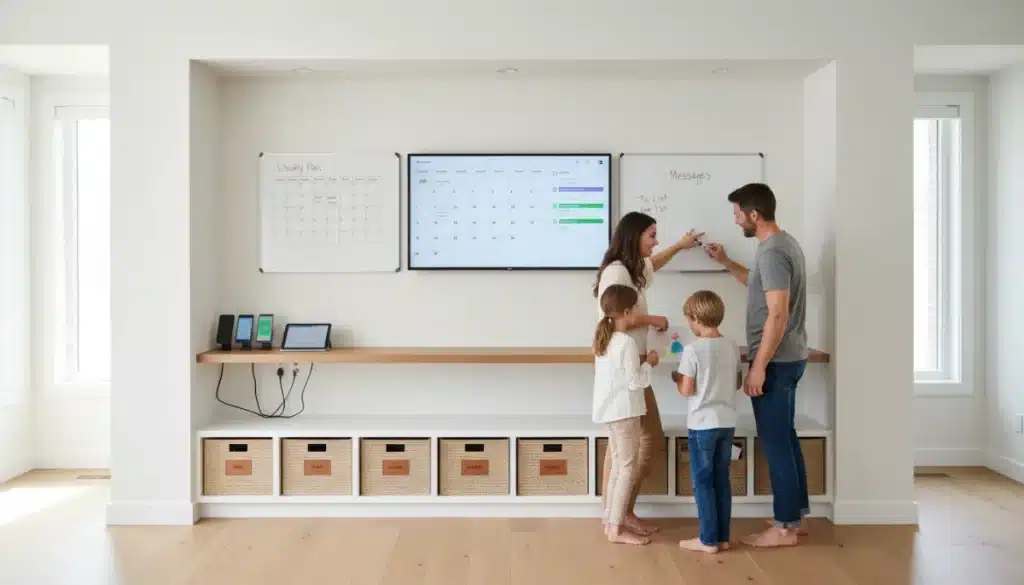
Establishing a family command center in 2026 is essential for centralizing schedules and communications, offering practical solutions to create a more organized and harmonious household.
Anúncios
Are you tired of missed appointments, chaotic mornings, and constant questions about schedules? The concept of creating a family command center in 2026 offers practical solutions to centralize schedules and communications, bringing a much-needed sense of order to your household. This guide will walk you through establishing an efficient hub that streamlines daily life.
Anúncios
Understanding the Need for a Centralized Hub in Modern Households
In today’s fast-paced world, families are busier than ever. Between school, work, extracurricular activities, and social commitments, keeping track of everyone’s schedules can feel like a full-time job. A centralized hub, often referred to as a family command center, becomes indispensable for maintaining sanity and ensuring everyone is on the same page.
This dedicated space acts as the brain of your home, consolidating vital information and reducing the mental load on individual family members. It moves beyond simple calendars to integrate technology, communication tools, and organizational systems that reflect the demands of 2026.
The evolution of family organization
Gone are the days when a paper calendar on the fridge sufficed. Modern families require dynamic solutions that can adapt to changing schedules and integrate with digital lifestyles. The command center evolves with your family, offering scalable options from simple wall-mounted systems to sophisticated digital dashboards.
- Digital integration: Incorporating smart displays and shared digital calendars.
- Multi-functional zones: Combining mail sorting, charging stations, and key hooks.
- Personalized solutions: Tailoring the center to fit your family’s unique needs and habits.
The core benefit lies in its ability to foster independent action among family members. When information is readily available and accessible to all, children can take more responsibility for their schedules, and adults can minimize redundant conversations and reminders. This shift empowers everyone, promoting a more harmonious and efficient household environment.
Ultimately, a well-designed family command center reduces stress and improves overall family well-being. It transforms chaos into clarity, providing a reliable source of truth for all family activities and responsibilities. Investing time in its creation is an investment in a smoother, more organized daily life for everyone involved.
Choosing the Ideal Location and Layout for Your Command Center
Selecting the right location is paramount for the effectiveness of your family command center. It needs to be a high-traffic area where family members naturally converge, ensuring maximum visibility and accessibility. Consider areas like the kitchen, a hallway, or a mudroom, as these are often central to daily routines.
The layout should be intuitive and functional, allowing for easy updates and quick information retrieval. Think about the flow of your home and where information is most likely to be consumed or needed. A prime spot will encourage consistent use and integration into family life.
Assessing high-traffic areas
Before committing to a spot, observe your family’s movement patterns for a few days. Where do people drop keys? Where do they glance for reminders? These observations will guide you to the most logical and effective location for your command center.
- Kitchen wall: Often the heart of the home, ideal for meal planning and quick glances.
- Near the entry/exit: Perfect for last-minute checks before leaving the house.
- Designated corner: A small, dedicated space in a common area can work wonders.
Once the location is chosen, consider the available wall space and counter area. A vertical layout maximizes space, utilizing wall-mounted organizers, whiteboards, and digital screens. Ensure there is enough room for each component without feeling cramped or cluttered, as this can deter usage.
The layout should also account for power access if you plan to incorporate digital devices. Proximity to an outlet or the ability to conceal cords is crucial for a clean and functional setup. A well-thought-out location and layout are foundational to a successful and sustainable family command center.
Essential Components for Centralizing Schedules and Communications
A truly effective family command center integrates several key components to centralize schedules and facilitate seamless communication. These elements work in concert to provide a comprehensive overview of family life, ensuring no one misses a beat. From digital tools to physical organizers, each piece plays a vital role in maintaining order.
The aim is to create a system that is robust yet flexible, capable of adapting to the evolving needs of your family. By carefully selecting and integrating these components, you can build a command center that is both highly functional and aesthetically pleasing, encouraging consistent use by all family members.
Digital and analog tools for organization
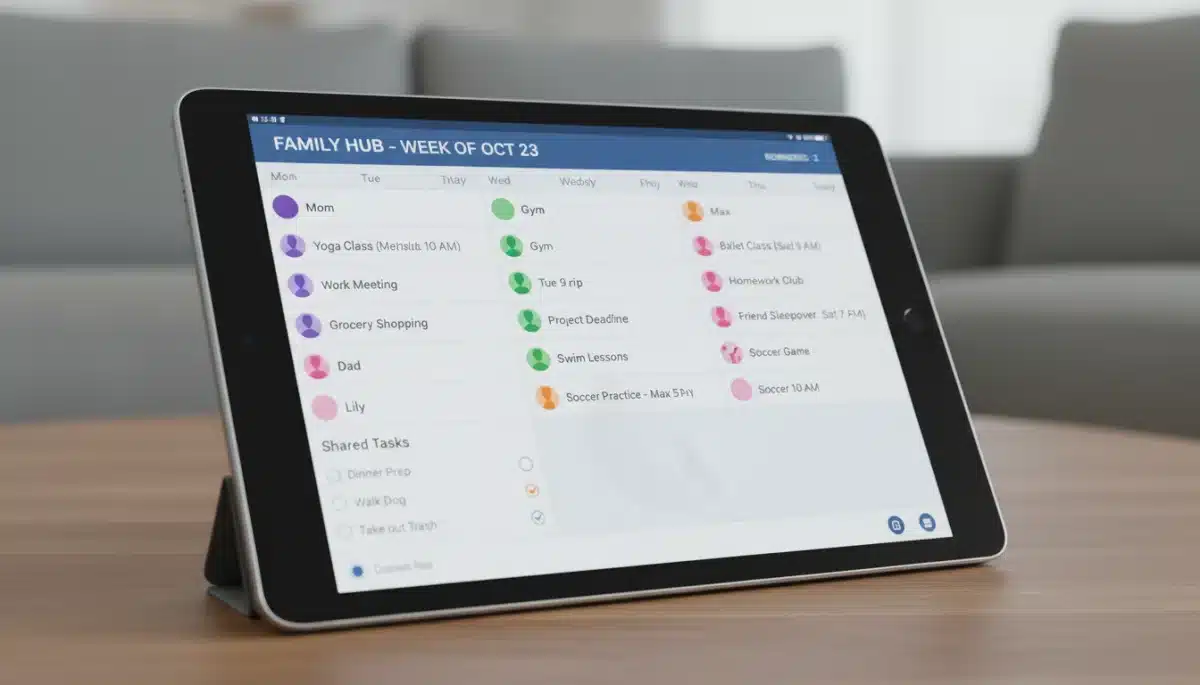
A balanced approach often yields the best results. Combining the power of digital tools with the tangible benefits of analog systems caters to different preferences and needs within the family. Digital calendars offer real-time updates and accessibility from anywhere, while physical whiteboards provide a quick, visual reference.
- Shared digital calendar: Google Calendar, Apple Family Sharing, or dedicated family apps like Cozi.
- Large wall calendar/whiteboard: For a quick visual overview of the week or month.
- Charging station: A dedicated spot for phones, tablets, and other devices.
- Mail/document organizer: Labeled slots for incoming mail, bills, and school papers.
- Key hooks: A designated place for all keys, preventing frantic searches.
Beyond these core elements, consider adding a ‘to-do’ list or chore chart to delegate responsibilities and track progress. A bulletin board can be useful for displaying important notices, artwork, or inspirational quotes. The goal is to consolidate all essential information in one accessible place, reducing clutter and mental fatigue.
The integration of these components creates a synergistic effect, where each element enhances the functionality of the others. This holistic approach ensures that all aspects of family life, from appointments to household tasks, are managed efficiently and transparently.
Implementing Digital Solutions for Seamless Family Coordination
In 2026, leveraging digital tools is fundamental for an efficient family command center. These solutions offer unparalleled flexibility, real-time updates, and remote access, ensuring that every family member, regardless of their location, stays informed and connected. The right digital ecosystem can transform how your family coordinates schedules and communicates.
From shared calendars to task management apps, digital platforms streamline information flow and minimize misunderstandings. They empower families to move beyond static, physical systems and embrace dynamic, interactive solutions that reflect modern living. The key is to choose tools that are user-friendly and adaptable to your family’s specific digital literacy and preferences.
Choosing the right apps and platforms
The market is rich with applications designed for family organization, but selecting the most suitable ones requires careful consideration. Look for platforms that offer robust calendar sharing, task assignment capabilities, and secure communication features. Compatibility across different devices (smartphones, tablets, smart displays) is also crucial for universal access.
- Shared Calendar Apps: Platforms like Google Calendar, Cozi, or TimeTree allow for color-coded entries for each family member, syncing across all devices.
- Task Management Tools: Apps such as Todoist or Trello can be adapted for family chores, homework assignments, and project management, with notification features.
- Communication Hubs: Family-specific messaging apps or even dedicated channels within broader platforms like Slack can centralize quick updates and discussions.
Beyond these, consider smart home integration. Voice assistants like Amazon Alexa or Google Assistant can read out daily schedules, add items to shopping lists, and set reminders, all hands-free. A dedicated smart display can serve as the central visual hub for digital calendars and notifications.
Training family members on how to use these digital tools is vital for successful adoption. Start with one or two core applications and gradually introduce more as everyone becomes comfortable. The goal is to simplify, not complicate, so choose tools that genuinely enhance efficiency without adding unnecessary complexity. Digital solutions, when implemented thoughtfully, are powerful enablers of a smoothly run household.
Designing an Effective Communication Strategy for Your Household
Beyond schedules, a family command center must foster clear and consistent communication. A well-designed communication strategy ensures that important messages are conveyed effectively, reducing misunderstandings and promoting a cohesive family unit. This involves establishing clear channels and expectations for how information is shared and received.
Effective communication is the backbone of any organized household. It prevents missed information, addresses conflicts proactively, and builds a stronger sense of connection among family members. The command center serves as a physical and digital nexus for these interactions, making communication a deliberate and integrated part of daily life.
Establishing clear communication channels
Different types of information require different communication methods. Urgent messages might need a direct call or text, while general announcements can be posted on a whiteboard or shared digitally. Defining these channels helps streamline information flow and ensures messages reach the right person at the right time.
- Daily check-ins: Brief morning or evening discussions about the day’s plans or next day’s schedule.
- Designated message board: A physical whiteboard or digital display for non-urgent announcements and notes.
- Family group chat: For quick updates, questions, and coordination when physically apart.
- Weekly family meetings: A dedicated time to discuss upcoming events, address concerns, and plan together.
Encourage an open-door policy where family members feel comfortable sharing information and asking questions. Teach children how to use the command center to find answers independently before asking an adult. This fosters self-reliance and reduces the burden on parents to be the sole information keepers.
Regularly review and adapt your communication strategy. What works for a family with young children might need adjustment as they become teenagers. The goal is to create a dynamic system that evolves with your family’s needs, always prioritizing clarity, respect, and mutual understanding. A strong communication strategy is integral to a truly functional family command center.
Maintenance and Evolution: Keeping Your Command Center Relevant in 2026
Creating a family command center is not a one-time project; it’s an ongoing process of maintenance and evolution. To remain effective, your command center must be regularly updated, decluttered, and adapted to your family’s changing needs. A stagnant system quickly becomes obsolete and ceases to be a valuable tool for organization.
Regular upkeep ensures that the information remains current and accurate, reinforcing its reliability. As your family grows and routines shift, the command center should evolve alongside, incorporating new tools or adjusting existing systems to maintain its relevance and utility. This proactive approach guarantees its long-term success.
Tips for sustained organization
Consistency is key to maintaining an organized command center. Schedule regular times, perhaps weekly or bi-weekly, to update calendars, clear out old papers, and tidy the space. Involve all family members in this process to instill a sense of shared responsibility and ownership.
- Weekly updates: Dedicate 15-20 minutes each week to review and update all schedules and lists.
- Seasonal decluttering: Every few months, go through mail, papers, and supplies, removing anything that is no longer needed.
- Feedback loop: Periodically check in with family members to see what’s working and what could be improved.
- Technology refresh: Stay informed about new apps or devices that could further enhance your command center’s efficiency.
Consider the aesthetic appeal of your command center. While functionality is primary, a visually pleasing space is more inviting and encourages consistent use. Keep supplies stocked and readily available, such as pens, sticky notes, and charging cables. Small details can make a big difference in daily convenience.
As your children grow older, their involvement in maintaining the command center should increase. Empower them to take ownership of their sections, updating their schedules and tasks. This not only lightens your load but also teaches valuable organizational skills that will benefit them for a lifetime. A well-maintained and evolving command center is a testament to a family’s commitment to order and efficiency.
| Key Aspect | Brief Description |
|---|---|
| Centralized Location | Choose a high-traffic area for maximum visibility and accessibility. |
| Digital & Analog Tools | Combine shared digital calendars with physical whiteboards and organizers. |
| Effective Communication | Establish clear channels for daily updates, messages, and family meetings. |
| Ongoing Maintenance | Regularly update and adapt the system to meet evolving family needs. |
Frequently asked questions about family command centers
The primary benefit is centralizing all family schedules and communications in one accessible location. This reduces chaos, minimizes missed appointments, and fosters better coordination among family members, leading to a smoother, more organized household.
The ideal location is a high-traffic area where family members naturally gather, such as the kitchen, a main hallway, or a mudroom. This ensures maximum visibility and encourages consistent engagement with the command center’s tools and information.
Essential digital tools include shared calendar apps (e.g., Google Calendar, Cozi), task management apps (e.g., Todoist), and family messaging platforms. Integrating smart displays or voice assistants can also significantly enhance real-time coordination and information access.
Regular updates are crucial. Aim for weekly reviews to update schedules, clear out old notes, and tidy the space. Seasonal decluttering and periodic feedback sessions with family members ensure the command center remains relevant and effective for everyone’s needs.
Absolutely. By clearly displaying chore charts, homework schedules, and individual responsibilities, a command center empowers children to take ownership. This fosters independence and reduces the need for constant verbal reminders, promoting a more responsible and engaged family dynamic.
Conclusion
Establishing a family command center in 2026 is a transformative step towards a more organized and harmonious household. By strategically centralizing schedules, communications, and essential information, families can significantly reduce daily friction and improve overall efficiency. This isn’t merely about tidiness; it’s about creating a proactive system that empowers every family member, fosters better communication, and adapts to the dynamic nature of modern life. Investing in a well-designed and consistently maintained command center is an investment in your family’s peace of mind and collective well-being.