Accessing Government Information: Your Public Records Rights in 2026

Anúncios
Understanding your rights to public records in 2026 is crucial for transparency and accountability, empowering citizens to access government information through established legal frameworks like FOIA.
Anúncios
In an era demanding greater transparency and accountability, knowing your rights to access government information is more vital than ever. This guide explores the landscape of Understanding Your Rights to Public Records in 2026: A Guide to Accessing Government Information, ensuring you are equipped to navigate the processes and advocate for openness.
Anúncios
The Foundation of Public Records Access
Access to public records is a cornerstone of democratic governance in the United States. It allows citizens to scrutinize government actions, hold officials accountable, and participate more effectively in civic life. This fundamental right ensures that government operations are not conducted in secret, fostering trust and preventing corruption.
The concept is rooted in the belief that an informed populace is essential for a healthy democracy. Without the ability to examine government documents, the public would be reliant solely on official narratives, potentially obscuring important details or misrepresenting facts. This transparency extends across various levels of government, from federal agencies to local municipalities.
Historical Context and Evolution
The journey towards robust public records laws has been a gradual one, marked by significant legislative milestones. Early efforts were often piecemeal, but the mid-20th century saw a growing push for more comprehensive frameworks. The public’s demand for greater insight into government operations intensified, particularly during periods of political upheaval and social change.
- Freedom of Information Act (FOIA): Enacted in 1966, FOIA is the most prominent federal law governing public access to government records. It established a presumption of openness and set procedures for requesting information.
- State-level Equivalents: Each state has its own version of FOIA, often referred to as “sunshine laws” or public records acts, which dictate access to state and local government documents.
- Technological Impact: The advent of digital records and the internet has significantly transformed how information is stored and accessed, presenting both opportunities and challenges for public records access.
The evolution continues, with ongoing debates about the scope of these laws and their application in an increasingly digital and complex governmental landscape. Understanding this historical context helps to appreciate the enduring importance of these rights.
Ultimately, the right to access public records is not merely a legal technicality; it is a vital tool for maintaining a responsive and transparent government. It empowers individuals and organizations to gather information, conduct research, and contribute to public discourse with factual insights. This right underscores the principle that the government serves the people, and its records belong to the public.
Key Federal Laws: Understanding FOIA in 2026
The Freedom of Information Act (FOIA) remains the primary federal law governing public access to U.S. government records. In 2026, its core principles endure, though its application continues to adapt to new technologies and administrative practices. FOIA empowers any person, regardless of citizenship, to request information from federal agencies.
The law mandates that agencies must disclose records requested in writing, unless those records are protected from disclosure by one of nine exemptions. These exemptions are designed to protect sensitive information, such as national security secrets, personal privacy, and trade secrets. Navigating these exemptions is often the most challenging aspect of making a FOIA request.
Making a Successful FOIA Request
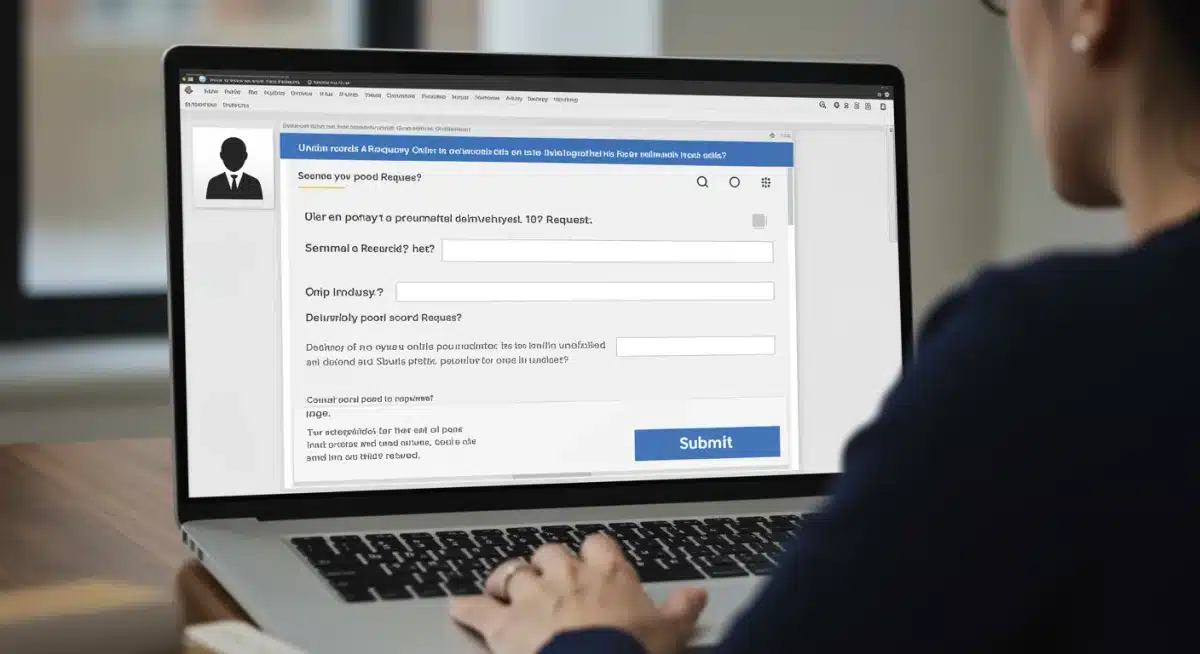
To successfully obtain information through FOIA, a clear and precise request is paramount. Agencies are not required to create records or answer questions; they must only provide existing, identifiable documents. Therefore, knowing what you are looking for and how to describe it effectively can significantly streamline the process.
- Identify the Correct Agency: Direct your request to the specific federal agency or component that is most likely to possess the records you seek.
- Be Specific: Clearly describe the records you want, including dates, subjects, and any other relevant identifying information.
- State Your Fee Category: Indicate whether you qualify for a fee waiver or reduction (e.g., as a journalist or educational institution).
- Request Expedited Processing: If applicable, provide justification for why your request merits faster processing.
Agencies are generally required to respond within 20 working days, though extensions are common, especially for complex requests. Understanding this timeline and the potential for delays is crucial for managing expectations.
In 2026, many agencies offer online portals for submitting FOIA requests, further simplifying the initial step. However, the subsequent interactions, including appeals for denied requests, often still require diligent follow-up. Familiarity with the appeals process is essential if an initial request is fully or partially denied, ensuring you can challenge unfavorable decisions effectively.
State-Level Public Records Laws: A Diverse Landscape
While FOIA governs federal records, each U.S. state has its own distinct set of laws dictating access to state and local government information. These state public records laws, often called “sunshine laws” or open records acts, vary significantly in their scope, procedures, and enforcement mechanisms. Understanding these differences is crucial for anyone seeking information from state or local entities.
These state laws generally cover records held by state agencies, county governments, city councils, school districts, and other local public bodies. The types of records accessible can range from meeting minutes and financial documents to law enforcement reports and public employee salaries. However, just like FOIA, state laws also include exemptions to protect privacy, ongoing investigations, or other sensitive information.
Key Differences and Commonalities Across States
Despite their variations, most state public records laws share a common goal: to promote government transparency. However, the specifics of how this goal is achieved can differ widely.
- Scope of Records Covered: Some states have broader definitions of what constitutes a “public record” than others, potentially including emails or text messages from public officials.
- Exemptions: The number and breadth of exemptions vary greatly. For example, some states might have more expansive exemptions for law enforcement records or personnel files.
- Fees: While most states allow for reasonable fees to cover the cost of reproduction, the specific charges and fee waiver provisions can differ.
- Response Times: The statutory response times for fulfilling requests range from a few business days to several weeks, depending on the state.
It is important to research the specific public records law of the state from which you are requesting information. Many state government websites provide detailed guides and contact information for their public records officers. Organizations dedicated to open government often compile resources summarizing the laws in each state, which can be incredibly helpful for researchers.
Navigating the diverse landscape of state-level public records laws requires careful attention to detail. What is permitted in one state may be restricted in another. By understanding these nuances and leveraging available resources, individuals can more effectively exercise their right to access government information at the state and local levels.
Common Exemptions and Limitations to Access
While the right to access public records is broad, it is not absolute. Both federal and state laws include specific exemptions that allow government agencies to withhold certain types of information. These exemptions are designed to balance the public’s right to know with other important considerations, such as national security, personal privacy, and the integrity of ongoing investigations. Understanding these common exemptions is essential for realistic expectations when making a request.
The nine exemptions under FOIA serve as a federal framework, and state laws often mirror many of these categories, albeit with their own specific interpretations and additions. Agencies are generally required to cite the specific exemption when denying a request, providing requesters with a basis for appeal.
Understanding the Most Frequent Exemptions
Several exemptions appear repeatedly in both federal and state public records laws due to their critical nature:
- Personal Privacy: Information that would constitute a clearly unwarranted invasion of personal privacy is often exempt. This includes details like medical records, social security numbers, and private financial information of individuals.
- National Security & Classified Information: Records properly classified under an Executive Order as secret in the interest of national defense or foreign policy are exempt. This is a crucial exemption for protecting sensitive governmental operations.
- Law Enforcement Records: Information compiled for law enforcement purposes can be exempt if its disclosure would interfere with enforcement proceedings, deprive a person of a fair trial, invade personal privacy, or disclose confidential sources or techniques.
- Internal Agency Rules & Practices: Records related solely to the internal personnel rules and practices of an agency are typically exempt, as they don’t directly pertain to public-facing operations.
It is important to note that even if a record contains some exempt information, agencies are often required to release any segregable non-exempt portions. This means they must redact the protected information and release the rest, rather than withholding the entire document. This concept of “redaction” is a common outcome of public records requests.
Navigating these exemptions can be complex, and requesters may sometimes need to appeal denials or even pursue litigation to challenge an agency’s interpretation. However, a solid understanding of these limitations helps in crafting more effective requests and in anticipating potential challenges, ultimately increasing the likelihood of successful information retrieval.
The Request and Appeal Process in 2026
Making a public records request is typically a straightforward process, but understanding the steps involved and knowing how to appeal a denial are crucial for success. In 2026, many government agencies, both federal and state, have modernized their request systems, often providing online portals or standardized forms to streamline submissions. However, the underlying legal framework for requests and appeals remains largely consistent.
The process generally begins with identifying the correct agency and crafting a clear, specific request. Once submitted, the agency has a statutory period to respond, which can range from a few days to several weeks, depending on the jurisdiction and complexity of the request. During this time, agencies may communicate with the requester for clarification or to provide an estimated completion date.
Steps for Submitting and Appealing a Request
A structured approach to the request and appeal process can significantly improve your chances of obtaining the desired records:
- Initial Request: Submit your request in writing, ensuring it is clear, concise, and identifies the records with sufficient detail. Include your contact information and consider stating your willingness to pay reasonable fees.
- Agency Response: The agency will either grant the request, deny it (fully or partially), or inform you that they do not possess the records. If denied, they must state the exemption(s) relied upon.
- Administrative Appeal: If your request is denied, you typically have the right to file an administrative appeal with the agency. This is an internal review process where a higher authority within the agency reconsiders the initial decision.
- Judicial Review: If the administrative appeal is unsuccessful, the next step is often to seek judicial review in federal or state court. This is a more formal and potentially costly process, often requiring legal counsel.
Throughout this process, maintaining detailed records of all communications, including dates, names, and specific requests or responses, is highly advisable. This documentation can be invaluable if you need to pursue an appeal or legal action. Persistence is often a key factor in successfully obtaining challenging records, as agencies may initially deny requests that could be granted upon further review.
It’s also important to remember that some requests may involve fees for search, review, and duplication. Agencies are usually required to inform you of estimated costs and may offer fee waivers under certain circumstances, such as when the request primarily serves the public interest.
Impact of Technology on Public Records Access
The rapid advancements in technology have profoundly reshaped the landscape of public records access by 2026. Digitalization has transformed how government agencies create, store, and manage information, presenting both unprecedented opportunities for transparency and novel challenges. The shift from paper files to electronic databases means that vast amounts of data can now be searched, retrieved, and disseminated with greater speed and efficiency.
Online portals and electronic request systems have become increasingly common, simplifying the submission process for individuals and allowing agencies to manage requests more systematically. This digital transformation has the potential to make public records more accessible to a wider audience, breaking down geographical barriers and reducing the time it takes to obtain information.
Opportunities and Challenges in the Digital Age
While technology offers significant advantages, it also introduces complexities that require careful consideration in the context of public records laws:
- Enhanced Searchability: Digital records can be searched using keywords, metadata, and other parameters, making it easier to pinpoint specific information within massive datasets.
- Data Mining and Analytics: The availability of large datasets allows for sophisticated analysis, enabling researchers, journalists, and the public to uncover trends and patterns in government operations that might otherwise remain hidden.
- Privacy Concerns: The ease of compiling and cross-referencing digital data raises heightened concerns about personal privacy, especially when records contain personally identifiable information. Agencies must carefully balance transparency with privacy protection.
- Digital Divide: While online access is expanding, not all citizens have equal access to the internet or the digital literacy needed to navigate complex online request systems, potentially creating new barriers to access.
Furthermore, the sheer volume of digital information can overwhelm both requesters and agencies. Crafting precise requests for digital records requires understanding how agencies store and categorize their electronic data. Agencies, in turn, face challenges in redacting sensitive information from digital formats and ensuring the integrity and authenticity of electronic records.
As technology continues to evolve, public records laws and their interpretation will need to adapt to keep pace. This includes addressing issues like records held on private devices, the use of AI in government decision-making, and the format in which digital records are provided. Ensuring that the spirit of open government is maintained in the digital sphere is a continuous and evolving task.
Advocacy and Resources for Public Records Access
Exercising your rights to public records can sometimes be a challenging endeavor, particularly when dealing with complex requests, agency denials, or bureaucratic hurdles. Fortunately, a robust ecosystem of advocacy groups, legal aid organizations, and online resources exists to support individuals and journalists in their pursuit of government information. These resources provide invaluable guidance, legal assistance, and practical tools to navigate the intricacies of public records laws.
These organizations play a critical role in promoting transparency and accountability by monitoring government compliance with public records laws, advocating for stronger legislation, and educating the public about their rights. Their collective efforts help to ensure that the principles of open government remain central to democratic practice.
Key Resources and Support Networks
For anyone serious about accessing government information, knowing where to turn for help can make a significant difference:
- Non-Profit Advocacy Groups: Organizations like the Electronic Frontier Foundation (EFF), the Reporters Committee for Freedom of the Press (RCFP), and the National Freedom of Information Coalition (NFIC) offer extensive resources, legal guides, and sometimes direct legal assistance.
- Government Transparency Websites: Many federal and state government bodies have dedicated FOIA or public records websites that provide detailed instructions, agency contact information, and frequently asked questions.
- Legal Aid and Pro Bono Services: For complex cases or appeals, seeking advice from attorneys specializing in open government laws can be crucial. Some organizations offer pro bono legal assistance.
- Online Forums and Communities: Digital platforms allow requesters to share experiences, ask questions, and learn from others who have navigated similar public records challenges.
These resources can help you understand the specific laws applicable to your request, draft effective communications, and prepare for potential appeals. They often publish guides on how to make effective requests, understand exemptions, and what to do if a request is denied. Furthermore, many of these groups track legislative changes and court decisions that impact public records access, keeping the public informed about evolving legal landscapes.
Engaging with these advocacy groups and utilizing available resources not only strengthens individual requests but also contributes to the broader movement for government transparency. By empowering citizens with knowledge and support, these networks help uphold the public’s right to know and foster a more open and accountable government for everyone.
| Key Aspect | Brief Description |
|---|---|
| Federal FOIA | Governs access to U.S. federal agency records, with nine exemptions for sensitive information. |
| State Public Records Laws | Each state has its own “sunshine laws” for state and local government records, varying in scope and procedures. |
| Common Exemptions | Includes personal privacy, national security, law enforcement sensitive data, and internal agency rules. |
| Digital Transformation | Technology enhances access but introduces challenges like privacy concerns and the digital divide. |
Frequently Asked Questions About Public Records Access
The Freedom of Information Act (FOIA) is a federal law that grants the public the right to request access to records from any federal agency. It is a vital tool for ensuring government transparency and accountability, allowing citizens to understand and scrutinize federal operations.
Yes, every U.S. state has its own public records laws, often called “sunshine laws” or open records acts. These laws govern access to state and local government documents. The specific procedures and exemptions vary by state, so it’s important to research your local regulations.
Common exemptions include information related to national security, personal privacy (e.g., medical records), trade secrets, law enforcement investigative materials, and internal agency deliberative processes. These exemptions aim to balance public transparency with other critical interests.
If your request is denied, you typically have the right to file an administrative appeal with the agency. This internal review allows a higher authority to reconsider the denial. If the appeal is unsuccessful, you may have the option to pursue judicial review in court.
Technology has significantly streamlined public records access through online request portals and enhanced digital record-keeping. However, it also presents challenges such as increased privacy concerns with large datasets and the need for agencies to adapt to new digital formats and data management practices.
Conclusion
Understanding Your Rights to Public Records in 2026: A Guide to Accessing Government Information is more than just a legal concept; it’s a fundamental aspect of an engaged citizenry and a transparent democracy. While the landscape of public records access is dynamic, shaped by evolving laws, technological advancements, and ongoing advocacy, the core principle remains steadfast: the public has a right to know how their government operates. By familiarizing yourself with federal and state laws, understanding the request and appeal processes, and leveraging available resources, you can effectively exercise these rights and contribute to a more accountable and open society.