2026 Farm Bill: Subsidies, Food Prices & Financial Impact
Anúncios
The 2026 Farm Bill is expected to introduce significant alterations to agricultural subsidies and food prices, directly influencing the financial stability of farmers and the cost of groceries for American consumers.
Understanding the 2026 Farm Bill is crucial for anyone connected to the agricultural sector, from farmers and policymakers to consumers and food industry stakeholders. This comprehensive legislative package, enacted roughly every five years, dictates the direction of U.S. food and farm policy, influencing everything from crop insurance and conservation efforts to nutrition programs and commodity support. As discussions and proposals for the 2026 iteration begin to take shape, anticipating its key changes and potential financial impacts becomes paramount. The decisions made within this bill will resonate across the nation, affecting the economic viability of rural communities, the environmental health of our farmlands, and the affordability of food on our tables.
Anúncios
The Legislative Landscape and Anticipated Timeline
The journey of any Farm Bill is a complex legislative undertaking, typically spanning several years from initial discussions to final enactment. For the 2026 Farm Bill, stakeholders are already engaging in preliminary debates, laying the groundwork for what promises to be a robust and often contentious process. Understanding this timeline is essential for anyone wishing to influence or prepare for its eventual implementation, as early engagement can shape the policy directions that emerge.
Anúncios
Historically, Farm Bills follow a pattern of hearings, committee drafts, floor debates, and conference negotiations. The current Farm Bill, passed in 2018, provides a blueprint for what to expect, though each new cycle brings its own unique challenges and priorities. As the 2026 deadline approaches, the legislative calendar will become increasingly packed, with key milestones that include public comment periods, congressional hearings, and the drafting of specific titles within the bill.
Key Stages in the Farm Bill Process
- Initial Hearings and Stakeholder Input: Early in the process, congressional committees host hearings to gather perspectives from farmers, industry groups, environmental organizations, and consumer advocates. These sessions are vital for identifying the pressing issues and potential solutions that will inform the bill’s framework.
- Committee Markup and Drafting: Once input is collected, the House and Senate Agriculture Committees begin the detailed work of drafting legislative language. This stage involves intense negotiations and compromises, as various interests vie for inclusion in the bill.
- Floor Debates and Amendments: After committee approval, the bill moves to the full House and Senate for debate. Members can propose amendments, leading to further discussions and potential alterations to the original text.
- Conference Committee: Often, the House and Senate pass different versions of the Farm Bill. A conference committee, composed of members from both chambers, then works to reconcile these differences into a single, unified bill that can pass both houses.
The timeline for the 2026 Farm Bill will be influenced by the political climate, economic conditions, and emerging agricultural challenges. Early indications suggest a focus on climate resilience, supply chain stability, and equitable access to programs. The process is lengthy, but each stage offers an opportunity for stakeholders to voice their concerns and contribute to a bill that truly serves the needs of the nation’s agricultural ecosystem. Ultimately, the bill’s passage will depend on broad consensus and bipartisan cooperation, reflecting the diverse interests it aims to address.
Potential Shifts in Agricultural Subsidies
Agricultural subsidies are a cornerstone of U.S. farm policy, designed to provide a safety net for farmers, stabilize commodity markets, and ensure a reliable food supply. However, these programs are constantly under scrutiny, and the 2026 Farm Bill is likely to bring significant discussions and potential reforms to how these subsidies are structured and distributed. The debate often centers on balancing farmer support with taxpayer interests and environmental goals.
One of the primary areas of focus will likely be the Price Loss Coverage (PLC) and Agricultural Risk Coverage (ARC) programs, which provide income support when commodity prices or revenues fall below certain thresholds. There’s ongoing discussion about adjusting these reference prices and payment triggers to better reflect current production costs and market realities. Such adjustments could have a profound impact on the financial stability of farms, particularly those growing staple crops like corn, soybeans, wheat, and rice.
Key Areas of Subsidy Review
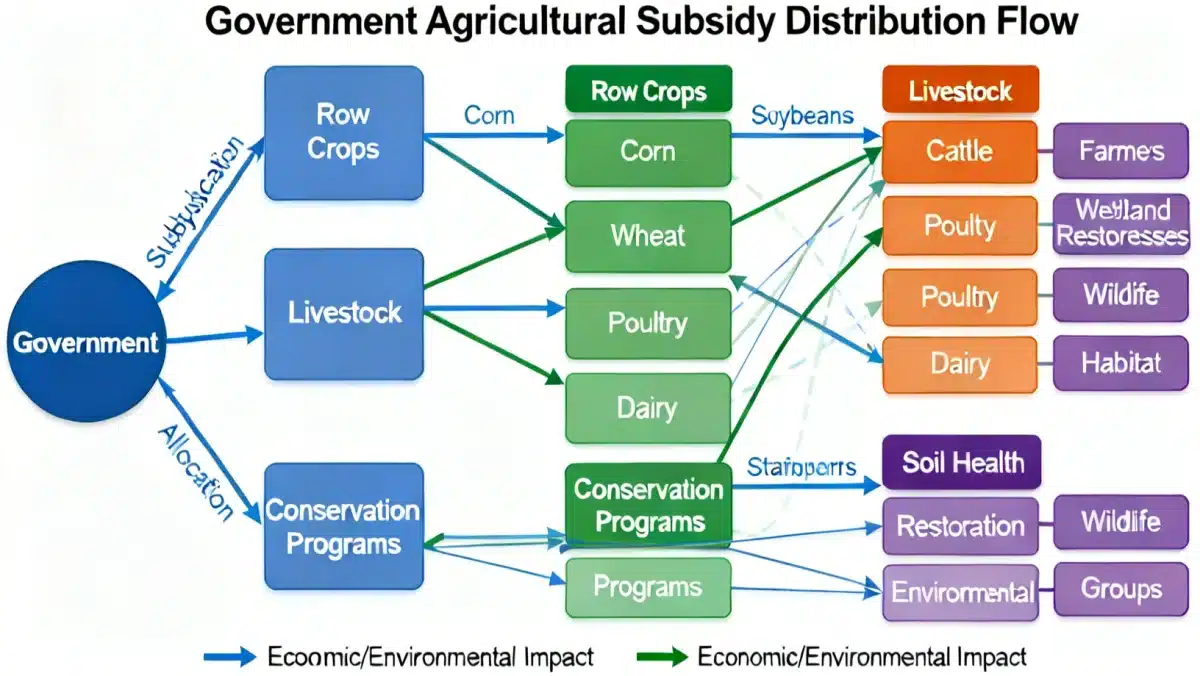
- Commodity Programs: Expect a thorough review of direct payments, loan deficiency payments, and other commodity-specific supports. The aim will be to ensure these programs remain effective in mitigating risk without distorting markets or encouraging overproduction.
- Crop Insurance: The federal crop insurance program is a critical risk management tool for many farmers. Debates will likely revolve around premium subsidies, covered crops, and the overall structure to ensure it remains actuarially sound and accessible to a wide range of producers.
- Conservation Programs: Programs like the Conservation Reserve Program (CRP), Environmental Quality Incentives Program (EQIP), and Conservation Stewardship Program (CSP) are vital for promoting sustainable farming practices. The 2026 Farm Bill will likely see efforts to expand funding, streamline application processes, and target resources towards climate-resilient agriculture.
The allocation of subsidy funds often sparks intense debate, with different regions and agricultural sectors advocating for their specific needs. Environmental groups push for greater incentives for sustainable practices, while some farm organizations emphasize the need for robust income support in volatile markets. The challenge for policymakers will be to craft a bill that addresses these diverse demands while remaining fiscally responsible and adaptable to future challenges. The changes to subsidies in the 2026 Farm Bill will undoubtedly reshape the economic landscape for American agriculture, influencing planting decisions, land values, and farm profitability for years to come.
Impact on Food Prices for Consumers
The provisions within the 2026 Farm Bill extend far beyond the farm gate, directly influencing the prices consumers pay at the grocery store. While the connection might not always be immediately apparent, changes to agricultural subsidies, production incentives, and even transportation infrastructure can ripple through the supply chain, ultimately affecting the cost and availability of food items. Understanding these linkages is key to anticipating how the new bill might impact household budgets.
One direct link is through commodity prices. If the Farm Bill alters support levels for staple crops, it can affect the raw material costs for a vast array of processed foods. For instance, changes in corn or soybean subsidies can influence the price of livestock feed, which in turn impacts meat and dairy prices. Similarly, policies that encourage or discourage the production of certain crops can affect their market availability and, consequently, their retail price.
Factors Influencing Retail Food Costs
- Production Costs: Subsidies can offset some of the costs for farmers, potentially keeping prices lower than they would be otherwise. Conversely, if subsidies are reduced or shifted, farmers might pass increased production costs onto consumers.
- Supply and Demand: Farm Bill policies that influence planting decisions, such as commodity programs or conservation initiatives, can directly impact the overall supply of certain agricultural products. A reduced supply, without a corresponding drop in demand, typically leads to higher prices.
- Food Assistance Programs: The Farm Bill also includes significant funding for nutrition programs like the Supplemental Nutrition Assistance Program (SNAP). Changes to these programs, while not directly affecting production costs, can influence overall food demand and accessibility for millions of Americans.
Beyond direct commodity links, the Farm Bill’s investments in agricultural research, infrastructure, and supply chain resilience can also have long-term effects on food prices. Innovations that improve efficiency or reduce waste can help temper price increases, while disruptions or underinvestment can contribute to volatility. Consumers should pay close attention to how the 2026 Farm Bill addresses these multifaceted aspects, as its provisions will ultimately play a role in shaping their weekly grocery bills.
Financial Implications for Farmers and Rural Economies
The financial health of American farmers and the vitality of rural economies are inextricably linked to the policies enshrined in the Farm Bill. The 2026 legislation will introduce a new set of parameters that will either bolster or challenge the economic stability of agricultural producers and the communities that depend on them. Anticipating these financial impacts requires a deep dive into how various programs interact with farm operations and local economies.
For many farmers, particularly those engaged in commodity production, the safety net provided by crop insurance and commodity programs is critical. Shifts in reference prices, payment limitations, or eligibility requirements can have immediate and significant effects on farm income. A reduction in these supports could force some farms to scale back operations, seek alternative revenue streams, or, in extreme cases, exit the industry. Conversely, enhanced support could provide a much-needed buffer against market volatility and natural disasters.
Economic Factors for Rural Communities
Rural economies, often heavily reliant on agriculture, feel the ripple effects of farm policy changes. When farmers thrive, they invest in local businesses, hire local labor, and contribute to the tax base. When they struggle, the entire community can suffer. The 2026 Farm Bill will likely include provisions aimed at rural development, energy programs, and infrastructure improvements, all of which contribute to the broader economic landscape.
- Credit and Lending: Farm Bill provisions often influence access to credit for farmers, particularly through programs administered by the Farm Service Agency (FSA). Changes here can affect a farmer’s ability to secure loans for land, equipment, and operating expenses.
- Beginning and Underserved Farmers: There’s a growing emphasis on supporting beginning farmers and ranchers, as well as those from underserved communities. The 2026 Farm Bill is expected to include targeted programs and funding to help these groups access land, capital, and technical assistance, fostering a more equitable agricultural future.
- Value-Added Agriculture: Policies that support value-added agricultural products, such as local food systems, farmers’ markets, and processing facilities, can create new economic opportunities in rural areas, diversifying income streams beyond raw commodity production.
Ultimately, the financial success of the nation’s agricultural sector hinges on a Farm Bill that provides stability, encourages innovation, and addresses the evolving needs of farmers and rural communities. The 2026 legislation will be a critical determinant of economic health for millions, shaping investment decisions, employment opportunities, and the overall prosperity of agricultural regions across the United States.
Conservation and Climate Resilience Initiatives
As the impacts of climate change become increasingly evident, the 2026 Farm Bill is expected to place a heightened emphasis on conservation and climate resilience initiatives. These programs are vital not only for protecting natural resources but also for ensuring the long-term sustainability and productivity of American agriculture. Integrating climate-smart practices into farm policy is a key objective for many stakeholders.
Historically, the Farm Bill has included robust conservation programs, but the upcoming legislation is likely to expand their scope and funding, with a particular focus on practices that sequester carbon, improve soil health, enhance water quality, and reduce greenhouse gas emissions. This could include increased incentives for cover cropping, no-till farming, nutrient management, and agroforestry.
New Directions in Conservation Policy
- Climate-Smart Agriculture: Expect significant investment in programs that promote practices explicitly designed to mitigate climate change and adapt to its effects. This could involve new funding mechanisms or expanded eligibility for existing programs.
- Water Quality and Quantity: With increasing pressure on water resources, the Farm Bill will likely address water conservation efforts, including efficient irrigation systems, wetland restoration, and practices that reduce agricultural runoff.
- Biodiversity and Habitat: Programs supporting biodiversity, pollinator habitats, and wildlife conservation on agricultural lands are also expected to see continued or increased support, recognizing the ecological benefits they provide.
The success of these initiatives will depend on adequate funding, effective outreach to farmers, and flexibility in program design to accommodate diverse agricultural systems and regional needs. The challenge for policymakers will be to balance conservation goals with production demands, ensuring that environmental stewardship is both economically viable and widely adopted. The 2026 Farm Bill’s approach to conservation and climate resilience will be a defining feature, shaping the environmental footprint of American agriculture for decades to come.
The Role of Nutrition Programs and Food Security
Beyond direct agricultural support, the Farm Bill is a critical piece of legislation for addressing food insecurity and supporting nutrition programs across the United States. A significant portion of the bill’s budget is typically allocated to programs like the Supplemental Nutrition Assistance Program (SNAP), formerly known as food stamps, which provides vital assistance to millions of low-income Americans. The 2026 Farm Bill will undoubtedly spark intense debate over the funding levels, eligibility requirements, and overall structure of these essential programs.
Advocates for food security emphasize the importance of maintaining robust funding for SNAP, citing its effectiveness in reducing poverty and improving health outcomes. Any proposed cuts or restrictions to SNAP could have profound consequences for vulnerable populations, leading to increased hunger and hardship. Conversely, proposals to expand eligibility or increase benefit levels could significantly enhance food access for those in need.
Key Nutrition Program Considerations
The Farm Bill also supports other crucial nutrition initiatives, including:
- The Emergency Food Assistance Program (TEFAP): This program helps supplement the diets of low-income Americans by providing them with emergency food assistance at no cost. Changes to TEFAP funding or commodity purchasing could impact food banks and other charitable organizations.
- Farmers Market Nutrition Programs (FMNP): These programs provide coupons to WIC participants and low-income seniors to purchase fresh fruits and vegetables at farmers’ markets, supporting both healthy eating and local economies.
- Specialty Crop Block Grants: While not a direct nutrition program, these grants support the production and access to fruits, vegetables, tree nuts, and other specialty crops, which are vital components of a healthy diet.
The debate surrounding nutrition programs within the 2026 Farm Bill is often highly politicized, balancing fiscal concerns with humanitarian needs. The decisions made regarding these programs will have a direct and immediate impact on the health and well-being of millions of Americans, making them a central and often contentious element of the overall legislative package. Ensuring equitable access to nutritious food remains a core objective for many involved in the Farm Bill discussions.
Stakeholder Perspectives and Advocacy Efforts
The development of the 2026 Farm Bill is a highly collaborative and often competitive process, driven by the diverse interests and advocacy efforts of numerous stakeholders. From individual farmers and commodity groups to environmental organizations, consumer advocates, and rural development councils, each entity brings its unique perspective and priorities to the table. Understanding these varying viewpoints is crucial for comprehending the complexities and potential outcomes of the legislative debate.
Agricultural producers, represented by various farm bureaus and commodity associations, typically advocate for strong safety nets, including robust crop insurance and commodity programs, to protect against market fluctuations and natural disasters. They also often push for policies that support trade, reduce regulatory burdens, and invest in agricultural research and development. Their collective voice is powerful in shaping the economic provisions of the bill.
Diverse Voices in the Farm Bill Debate
- Environmental Groups: Organizations focused on conservation and sustainability champion programs that promote soil health, water quality, biodiversity, and climate-smart agriculture. They often seek increased funding for conservation easements and incentives for environmentally friendly farming practices.
- Consumer Advocates: Groups representing consumer interests often focus on food affordability, safety, and access to nutritious options. They advocate for strong nutrition programs, transparency in food labeling, and policies that support local food systems.
- Rural Development Organizations: These stakeholders emphasize the need for investments in rural infrastructure, broadband access, renewable energy projects, and programs that support small businesses and job creation in agricultural communities.
The legislative process involves extensive lobbying, coalition-building, and public awareness campaigns. Each stakeholder group works to educate policymakers, influence public opinion, and ensure their concerns are addressed in the final bill. The eventual shape of the 2026 Farm Bill will be a testament to the power of these advocacy efforts and the compromises reached among competing interests. Navigating these diverse perspectives is a central challenge for Congress as it crafts legislation that aims to serve the broad and varied needs of the nation.
| Key Aspect | Brief Description |
|---|---|
| Agricultural Subsidies | Expected shifts in commodity programs (PLC/ARC) and crop insurance to reflect current market realities and production costs. |
| Food Prices | Changes in subsidies and production incentives will likely influence retail food costs, impacting consumer grocery bills. |
| Conservation Efforts | Increased focus and funding anticipated for climate-smart agriculture, soil health, and water quality initiatives. |
| Nutrition Programs | Debates over funding and eligibility for programs like SNAP, directly affecting food security for millions of Americans. |
Frequently Asked Questions About the 2026 Farm Bill
The Farm Bill is a comprehensive legislative package that governs federal agriculture and food policy in the United States. Its primary purpose is to provide a safety net for farmers, ensure a stable food supply, support conservation efforts, and fund nutrition assistance programs.
The Farm Bill is typically renewed and reauthorized by the U.S. Congress approximately every five years. The current bill was passed in 2018, making the next iteration, the 2026 Farm Bill, a highly anticipated legislative event.
Yes, changes in agricultural subsidies, commodity programs, and other policies within the 2026 Farm Bill can directly influence the cost of raw materials for food production. These changes often ripple through the supply chain, affecting retail food prices for consumers.
Agricultural subsidies are government payments and programs designed to support farmers, stabilize commodity markets, and manage supply. They are crucial for mitigating risks associated with farming, such as weather events and price volatility, ensuring a consistent food supply.
To stay informed, monitor official government sources like the U.S. Department of Agriculture (USDA) and congressional agriculture committee websites. Agricultural news outlets and reputable policy analysis organizations also provide regular updates and in-depth coverage of the Farm Bill’s development.
Conclusion
The 2026 Farm Bill stands as a pivotal legislative package, poised to redefine the landscape of American agriculture, food policy, and rural economies. Its comprehensive provisions, ranging from agricultural subsidies and conservation initiatives to vital nutrition programs, will have far-reaching financial and social implications. As discussions progress, the interplay between farmer support, consumer food prices, environmental stewardship, and food security will remain at the forefront. The ultimate success of this bill will depend on its ability to adapt to evolving challenges, foster resilience within the agricultural sector, and ensure a stable, affordable, and sustainable food system for all Americans.